Bonne journée, photo challenge

Lens-Artists Challenge #317: Walking the Neighborhood


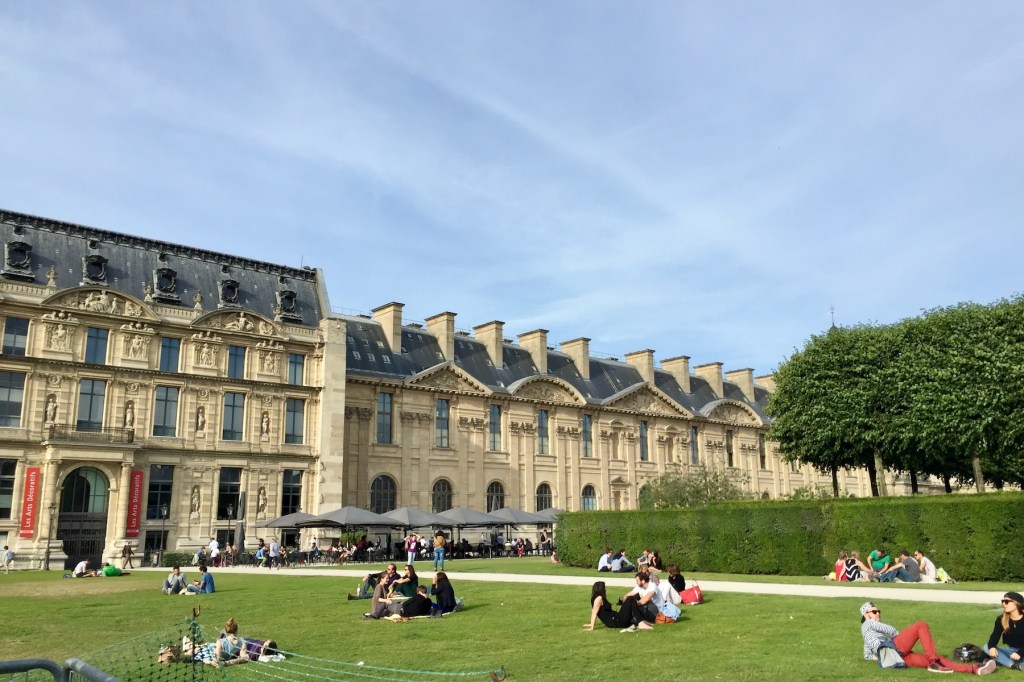
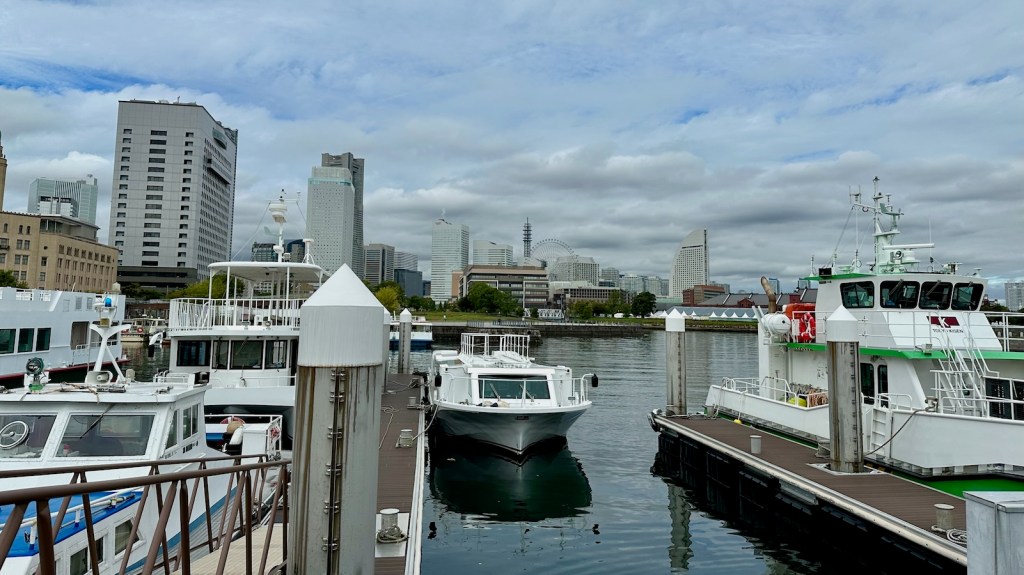
Around two years have been passed after returning back from Brittany where there was full of nature. I love both Yokohama and Brittany and I don’t want to say my preference but obviously there is a big gap between two places. My place is/was at a part of urban area and as you can easily imagine, a lot of buidings are/were still under construction. It should be unavoidable things. A big difference is that you can see big farms or forest next to the urban area still in Britanny but not in Yokohama. It would be likely to disappear even a small farm.

Yokohama is a historical town known as a place of re-opening a door of the country of Japan to other countries in 1858. There was no downtown 170 years ago. It is said that was the reason to use the place of Yokohama. Now, there seems no free spaces. around 3 milllion people live there. It should be too huge number.

Lens-Artists Challenge #317: Walking the Neighborhood

Bonne journée, photo challenge

Lens-Artists Challenge #315: Common Object


It was the end of a hot day, someone use a blue hose to water and put it under a tap. No one was interested in such a thing and it should be out of focus. It was left in the backyard next to a rusty metal container. Who cares? I’m not even interested in it either. That’s why I took it out of focus, to keep only those colors.

誰も興味もない錆びたコンテナ横の適当に置かれた青いホース。ただ、その色を残すために撮った写真。

Lens-Artists Challenge #315: common object

Bonne journée, Cross Cultural

TRES SALE


 人の感性なんてそれぞれ違っていて当たり前で、生まれ育った環境によるところもあれば、環境というだけでは説明のつかない個人的な感性みたいなものもあることはよく分かっています。このポストの写真をもし不愉快に感じているのであれば大変申し訳ないと思います。
 このBlogでは、考え方の違いとか、文化の違いとか、あるいは多少の感覚の違いとかは許容していただく前提で、なるべく感性に幅のある内容は扱わないようにしてきました。ゴミ収集車を取り上げたことがありますが、その場合でもなるべくクリーンな内容となるよう気にして書いたつもりです。
 今週は、それを少し破ってトイレや下着に関連したりする内容を含みますので、そうしたことが嫌だなと感じる方は、このページまでにしてください。大変申し訳ありません。ある意味、そのための冒頭の写真ですし、あえて文体を変えています。
 この写真には、”FOR SALE, TRES TRES SALE”と書かれたシトロエンが写っています。つまり、「売り出し中、めちゃめちゃ汚い」と英語とフランス語でダジャレ落書き(for saleはもちろん英語、tres saleのsaleはフランス語で汚いとか嫌なの意味でサルと発音、もしかしたら輸入塩でご存知のsaléはフランス語で塩辛いの意味でサレと発音)があります。フランスでは、こんな汚い車が時々走っています。綺麗に磨かれた車は、個人所有というより社用車の方が多いようにも思います。さすがにここまでくると誰が見ても汚いと思いますが、日本人の感性からするとあり得ないほど汚いという感じでしょうか。

(ここから先は不快と感じる人もいるかもしれません。お読みになる方は、Web表示にして、下にあるPage 2をクリックしてください。)

Continue reading “TRES SALE”
Bonne journée, Cross Cultural

Triskelion(トリスケリオン)

(English text at bottom)

 何はともあれお断りしておかなければならないのは、私自身がトリスケルあるいはトリスケリオンの研究者でもなければ何かしらの知見があるわけでもないということである。それどころか、トリスケリオンがそもそも何かということの何らかの確定的研究成果が世の中にはないらしい。つまりは、ここに書かれていることを鵜呑みにしない方が良い。
 分かったようなことを言うなら、トリスケリオンは日本語で三脚巴紋と言う。三脚と言う意味は、膝の少し曲がった片方の人間の足を横から見たもの3本が、足の付け根を中心に120度で繋がった巴紋様という意味であり、同時に渦巻きが3つ繋がったものの場合でもある。そもそもこの説明が意味不明なのは理解している。脚と渦巻きは全然違うではないか。
「あんた分かって書いているのか」
とお叱りを受けそうである。ただ、その足の形の紋様はヨーロッパ中にあって、ある意味トリスケリオンの典型的な紋様であるし、脚の代わりに角笛だったりすることもある。これが、アイルランドやフランス・ブルターニュ地方のケルト系の場合には渦巻きとなる。
 この渦巻き方は、ヨーロッパどころか世界中にあって、たとえば日本にあるものは左三巴紋などと呼ばれている。だから
「だからそれは何なんだ?」
という事であれば、Wikiあたりを読んでいただく方が良い。
 トップの写真は、ブルターニュの公園に作られた花壇の一部である。ベゴニアがトリスケリオンの形で植えられている。トリスケリオンはブルターニュ半島のシンボルであり、様々な場所に使われるありふれた紋様なのである。
 一番下の写真は、ノートルダム修道院(浅間神社と同じで至る所にある)の史跡のひとつで撮ったものだが、トリスケリオンの痕跡が残っている。12世紀と15世紀の部分が残っているらしいが、この紋様の部分がどちらなのかは分からない。

First of all, I must state that I am not a researcher of the Triskel or Triskelion, nor do I have any knowledge of them. In fact, it seems that there is no definitive research result on what the Triskelion is. In other words, it is better not to take what is written here at face value.
If I were to say something that sounds simple, the Triskelion is called a “三脚巴紋” in Japanese. The meaning of the Triskelion is that three legs(三脚) of a human with a slightly bent knee are seen from the side, and are connected at 120 degrees around the base of the leg, forming a Tomoe(巴) pattern(紋), and it can also mean three spirals connected together. I understand that this explanation is unclear to begin with. Aren’t legs and spirals completely different?
I’m sure I’ll be scolded. However, the pattern in the shape of a foot is found all over Europe, and in a sense it is a typical Triskelion pattern, and sometimes there are horns instead of legs. This forms a spiral in the case of the Celtic peoples of Ireland and Brittany, France.
This spiral pattern is found not only in Europe but all over the world; for example, the one in Japan is called the “左三巴紋”. So, if you’re wondering “so what is that?”, it’s best to read up on Wiki. The top photo is part of a flower bed in a park in Brittany. Begonias are planted in the shape of a triskelion. The triskelion is the symbol of the Brittany peninsula and is a common pattern used in many places. The photo below was taken at one of the historical sites of Notre Dame Abbey, and traces of the triskelion remain. There are apparently parts from the 12th and 15th centuries remaining, but it is not clear which part this pattern belongs to.

Bonne journée, photo challenge

Lens-Artists Challenge #311: What’s in a Garden?


Now, it’s not a good time to visit any gardens in Japan. The temperature is extreme and exceptionally high for one month compared to common years. The weather forecasting company says it is indeed 4-5 degrees Celsius (7-9 degrees Fahrenheit) higher. When I visited the garden shown in the photo above, it was 38 degrees Celsius (100 degrees Fahrenheit). I could say it is crazy. I gave up on staying there just to take photos. The next photo was taken at the Japanese Pear Orchard next to the garden. I returned to my car right after taking this photo for the record.

I would like to show a bottom picture taken last summer. A picture itself looks not so beautiful. You would see one butterfly and quiet flowers. I prefer to those type of garden. It was rather natural and wild. The flowers were indigo, which is completely different from the color we know. In fact, indigo is made from leaves. And the important thing is that the temperature was below 25 degrees.

Lens-Artists Challenge #311: What’s in a Garden?