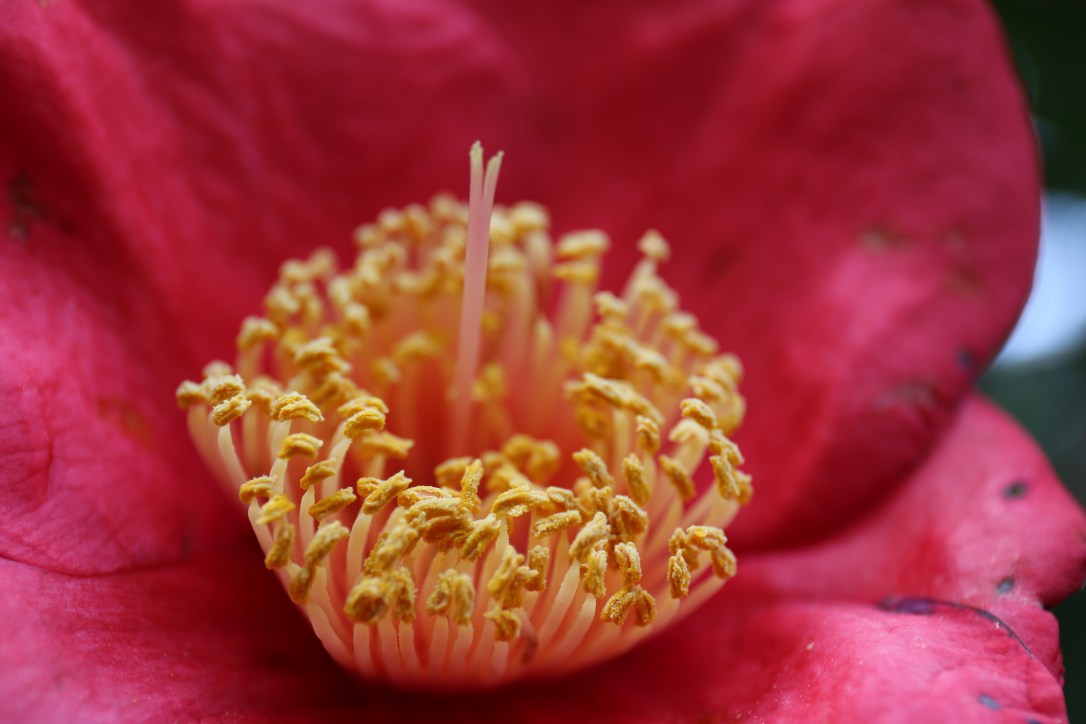
Wearing gaudy makeup? Going serious and sincere?
毒々しいうわべだけなのか、実直なのか。
Joy of fleeting youth? Memories of past days?
つかのまの青春なのか、過去の記憶なのか。
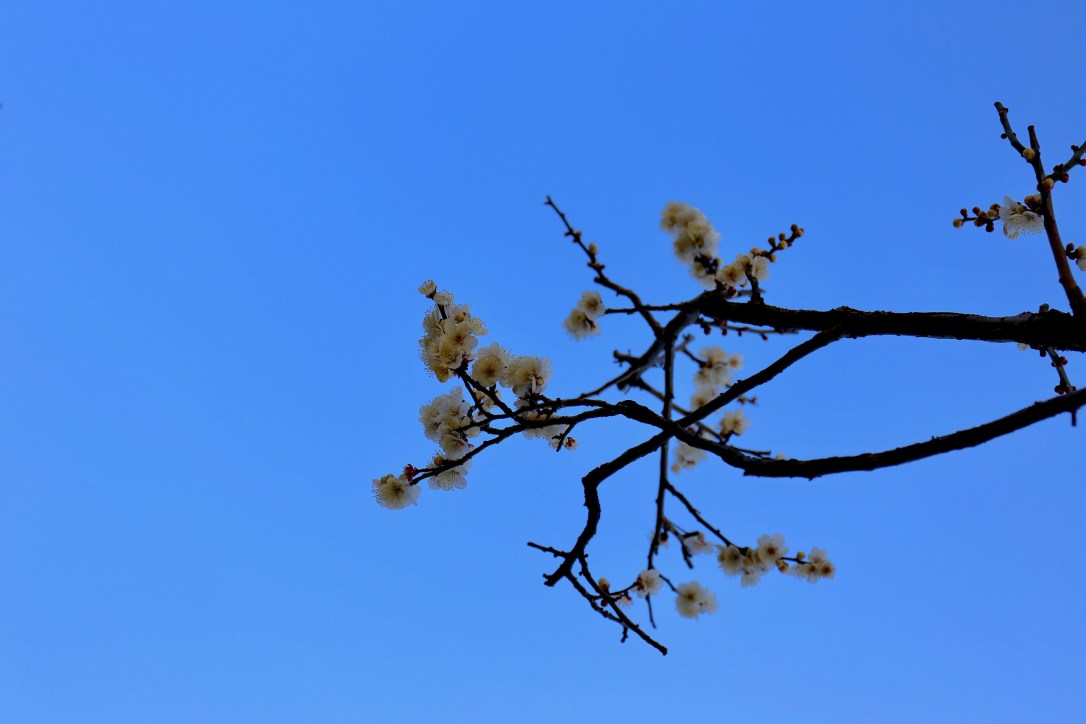
A Part of Macro Monday

capturing in prose
Wearing gaudy makeup? Going serious and sincere?
毒々しいうわべだけなのか、実直なのか。
Joy of fleeting youth? Memories of past days?
つかのまの青春なのか、過去の記憶なのか。
A Part of Macro Monday
 This article was written only in Japanese.
ファインダーを覗き込むと案外その風景はつまらない。何となく感じた空間の広がりも、湿った青い空気も、澄んだ窓の向こうの光も、どこか平板な映像となって現れる。ただ、ピントの合っている部分とそれ以外のぼやっとした部分が入り混じっていることで、ようやく頭が空間を理解し何かに納得する。そんなものである。人の目は、見ようとするものすべてにピントを合わせ、見たくないものを視界の遠くに追い遣ろうとするものなのだ。それでもシャッターを切れば、フォーカスを合わせようなどと思わなかった部分までが、時に鷹揚に姿をあらわす。たとえ見たくなかったものであれ容赦ない。
だからレンズを何かに向ける時、ファインダーの隅々まで覗き込み、距離を見計らって絞りを変える。見たいものをしっかりと捉え、余計なものを消し去るために。隅々まで美しい風景ならば絞り込んで全てを写し撮っても良い。時には望遠レンズを使って空間を刈り取ることもあるだろう。遠くのものも近くのものも同じ矩形に封じ込め、見たいものが重なり合ってそこにあるように。
 そうやって考えながら撮った写真を眺めていると、ふと気付くことがある。違っているようでいつも同じ矩形を切り取っていると。違うものにレンズを向けて違う光の中でシャターを押し、数年前と寸分違わぬ写真が残る。良く見れば違っている部分もないではないが、薔薇か葡萄か程度の違いでしかない。そこでようやく思い出すのは、撮りたいものを撮りなさいという誰が言ったか分からないひとことだ。けだし名言。なるほど時々iPhoneのほうがいい写真が撮れるのは、そういうことだ。撮りたいときにいつもの一眼レフがないから仕方なかったiPhoneが、予想外の写真を残す。
「ほぼ日」の連載が元だそうだ。残念ながらその連載を知らないが確かにウェブ風の体裁ではある。とまれ、その内容は写真の世界で迷子になりかけのアマチュア・フォトグラファーにはなかなか参考になる。「基礎的な技術ならもう分かっている。でも、問題はそんなことではない。教科書には書いていない何かが足りない。」そう思いながら読めば案外得るものも多いだろう。技術が分からなくても良い。技術の話はほとんどない。ただ写真に興味があれば手に取る価値はある。
ひとつだけ困った事がある。この手の本の書評にはいい加減な写真は使いにくいのだ。


最近読んだ本
写真がもっと好きになる。(SBクリエイティブ)
菅原 一剛 著

Thank you for everything,
Thank you for five years.
5年間に感謝。
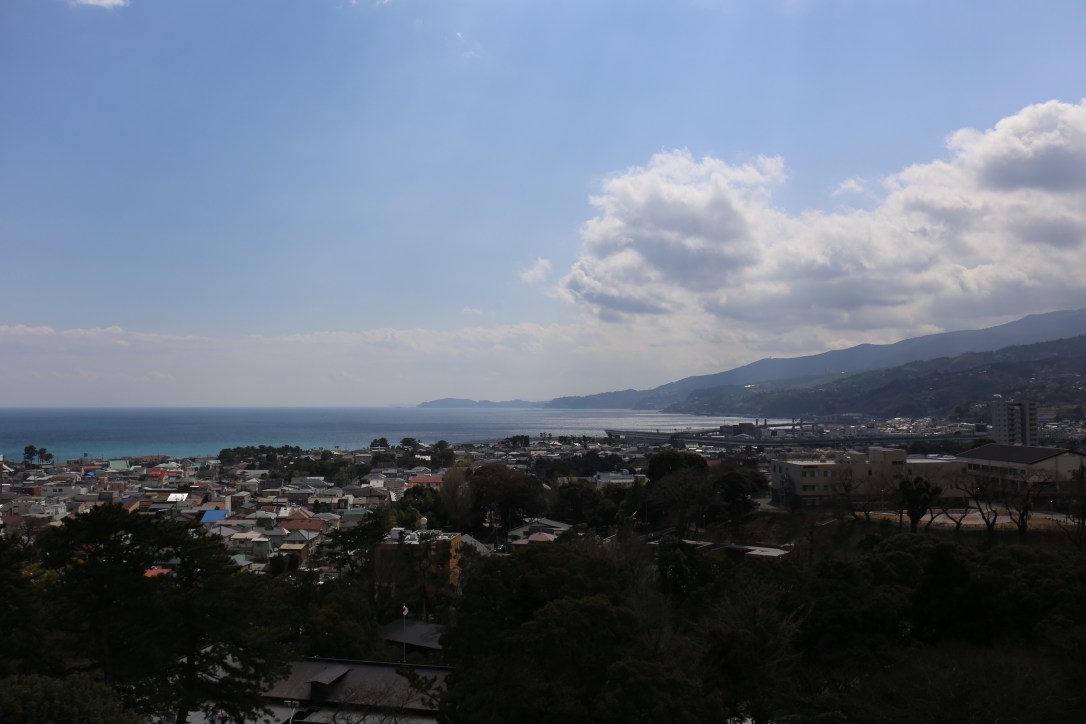
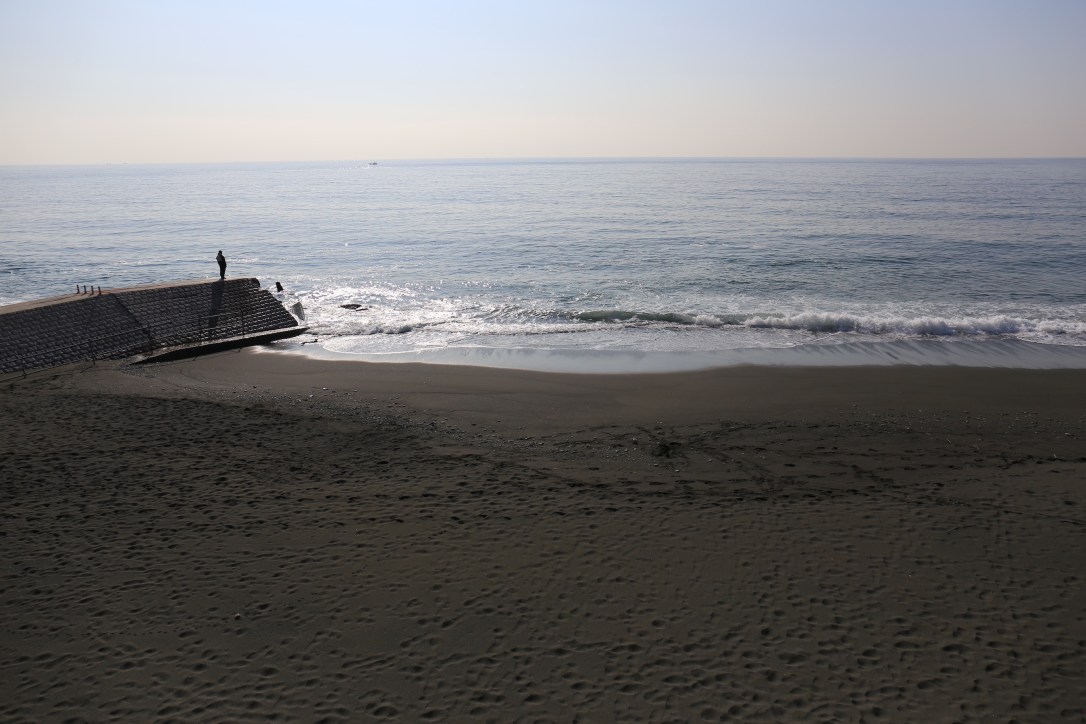
Our planet earth, we are aware of and not, still and yet, where we live.
It is said that a well known burger shop in Japan was named in honor of the earth – Mountains, Oceans and the Sun. Probably our planet is always simple enough and what we think it’s complicated would be ourselves.
Celebrating Earth Day!
MOSバーガーは公式には山と海と太陽が由来。地球ってそのくらいシンプル。
In response to the weekly photo challenge, Earth by The Daily Post.