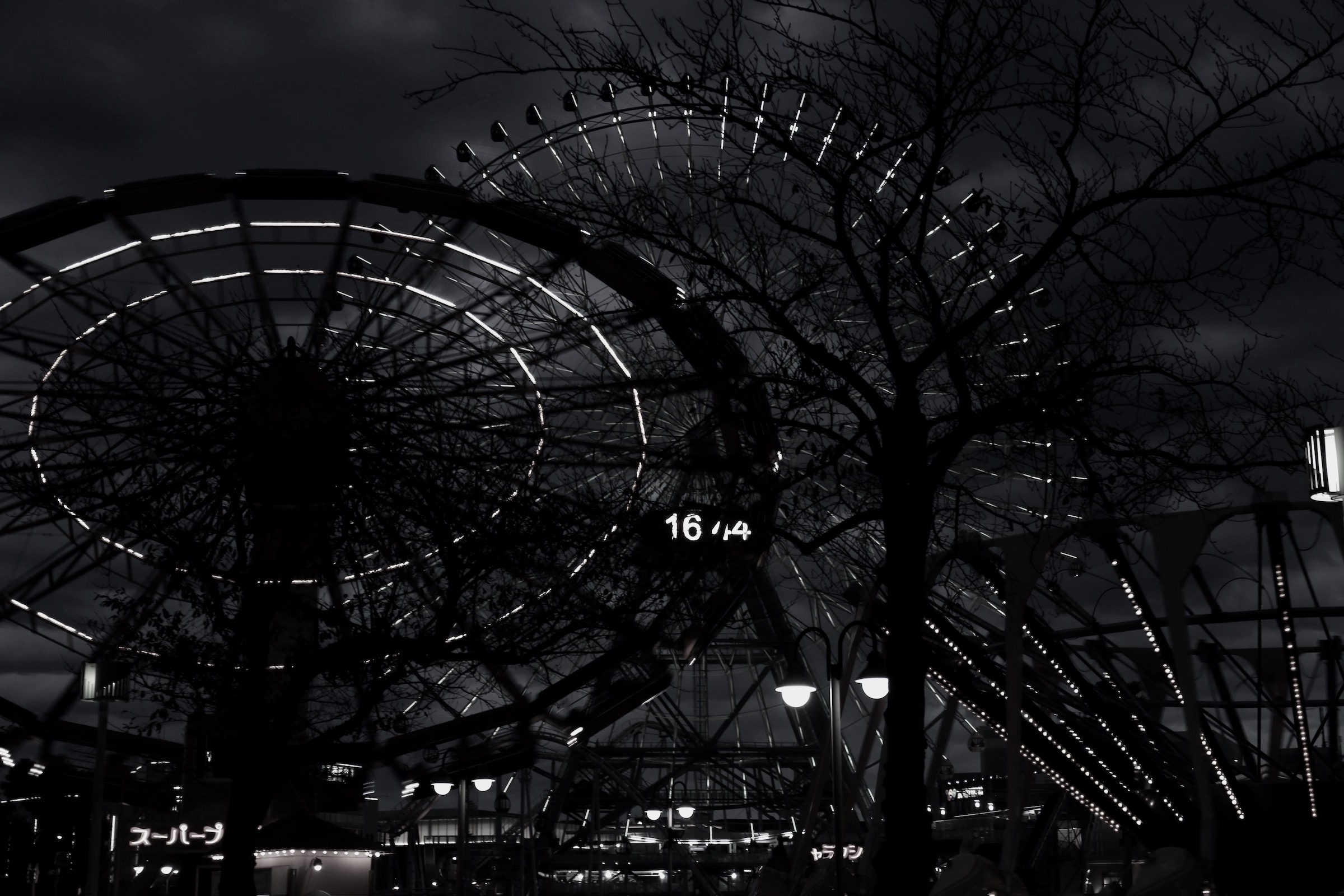
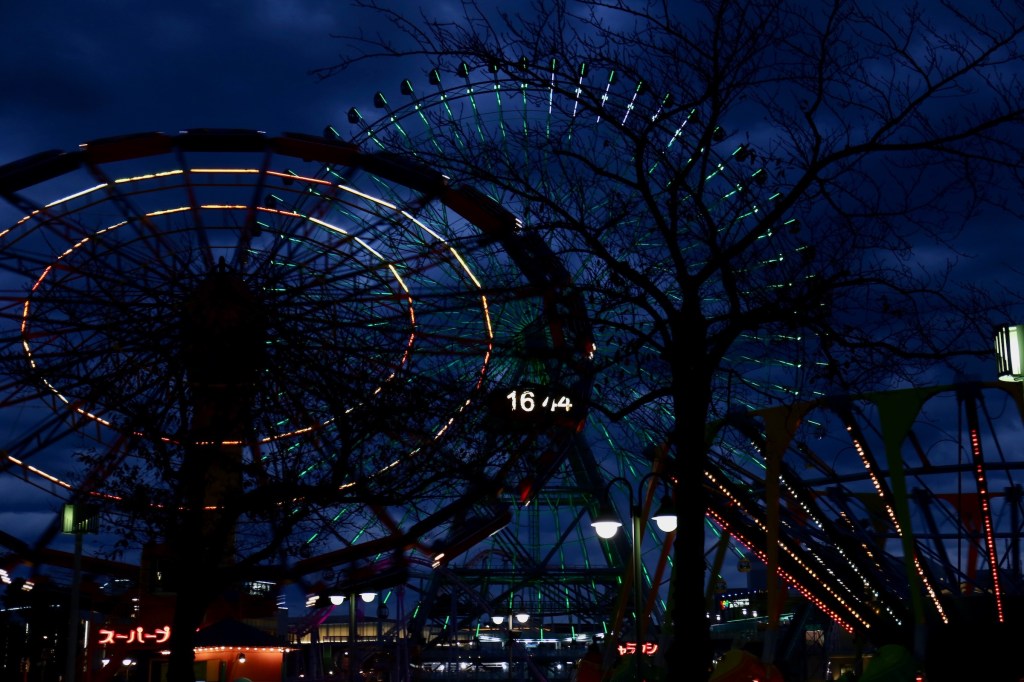
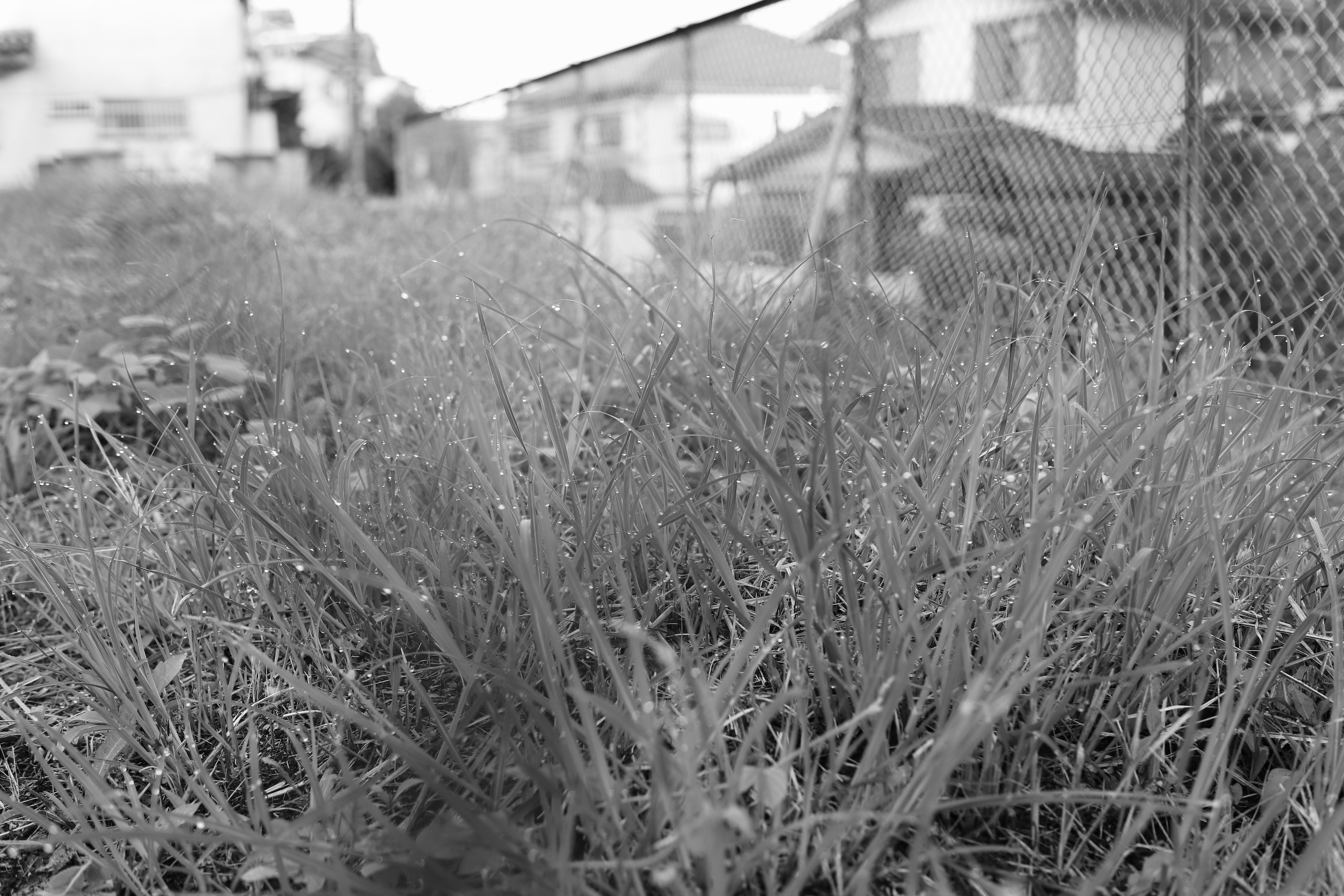
Monochrome photo should have various brightness intensities evenly so that it can be a clearer image without any colors. In some cases, different colors may have similar brightness intensities, and then red petals might be hidden by green leaves. However sometimes it makes me want to take monochrome pictures with poor condition just because it is simply interesting. Needless to say, it may create a lot of weird or odd pictures but that’s okay. Like it or not, digital cameras usually create full-color images and all I need to do is to convert images into monochrome when I need them.
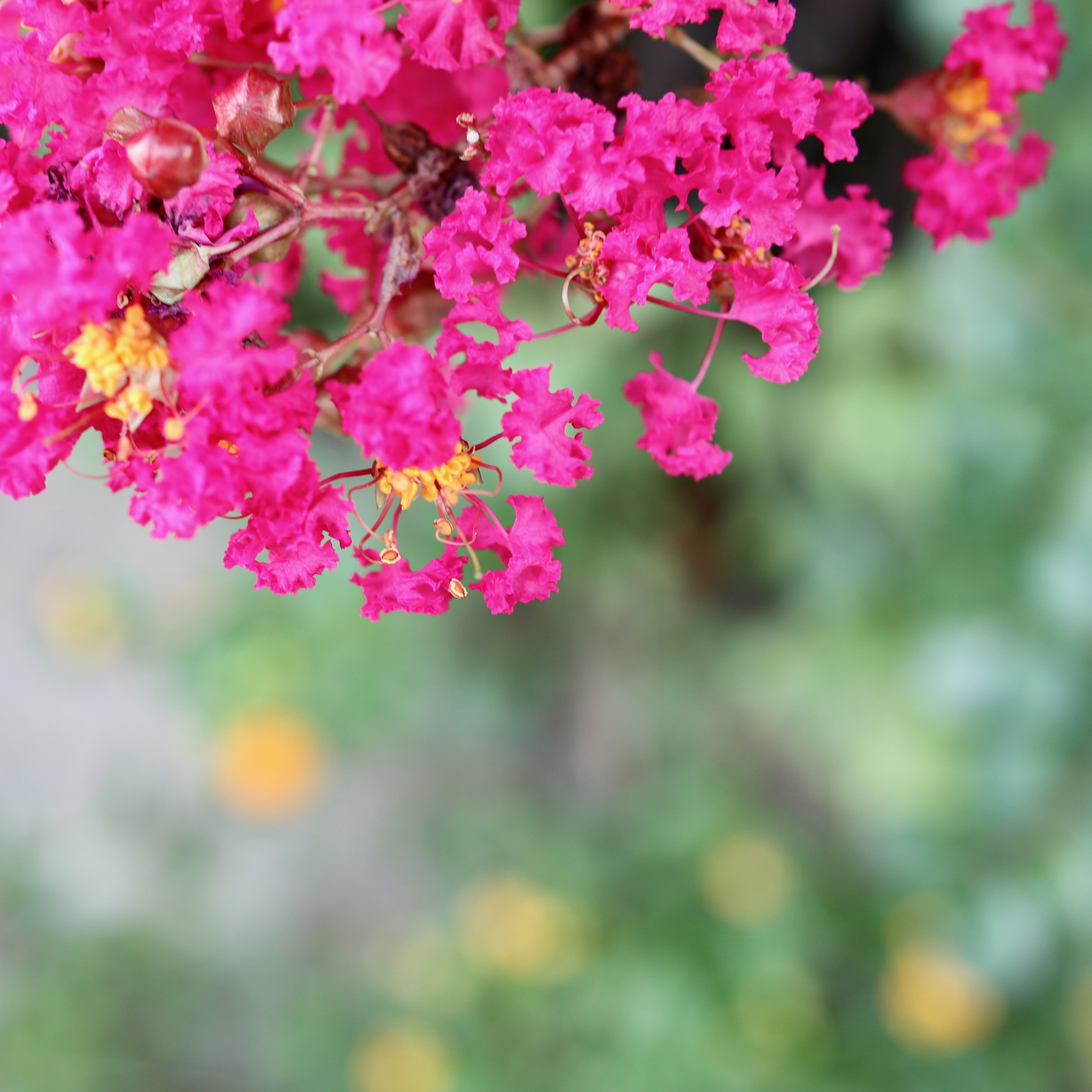
When we live abroad or somewhere having different culture, you may face communication issue. Perhaps you may not sure if a fish you see in a market is what you like. It’s very similar to what you know in your hometown but it may have very different name. You may check it on your dictionary and find that it is surly same as what you want. In case of colour, usually it should be simple like red, yellow, blue etc. However, not always. You are now at Shibuya, a very famous and crowded crossing in Tokyo, and you hear someone says “Oh, the signal is blue. Let’s go!” Wait, wait, wait. What? Blue? What does it mean? Sometimes blue means green, and green may be black in Japanese. Don’t worry. When you understand what they are talking about, it means you have already understood a part of culture. You would understand they were talking about ‘Green’ signal. When I moved to France in the past, I was surprised that my colleagues sometimes said ‘Fuchsia’ in their presentation. It was not a new word for me but it was usually ‘Magenta’ for me and ‘Pink’ for some of Japanese. Fuchsia was a vey specific word indicating a colour of flowers. Still I got lost sometimes in English conversation when I heard the word Fuchsia. OK, you may say the colour above picture is not magenta or it is not a part of primary colours. Yes and no. At least it is not an issue for me because I’m always confusing.


 l'atelier tanu | tagnoue