It depends on the person whether you would be happier eating the blueberries without having to think about which ones look tasty, or if a bird had eaten them while you were still thinking about it.
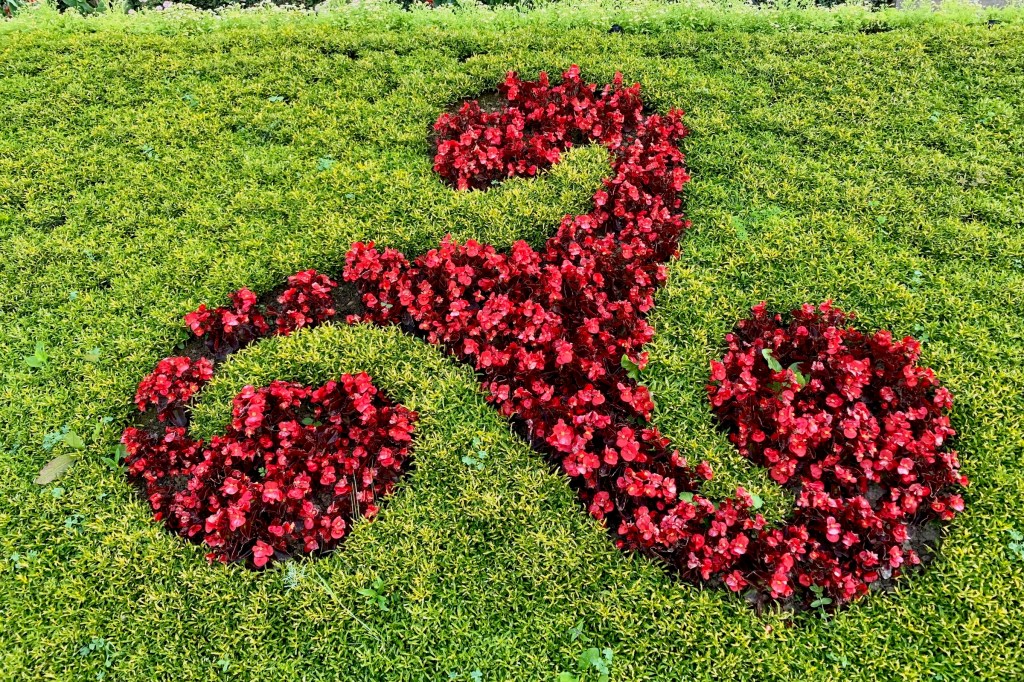
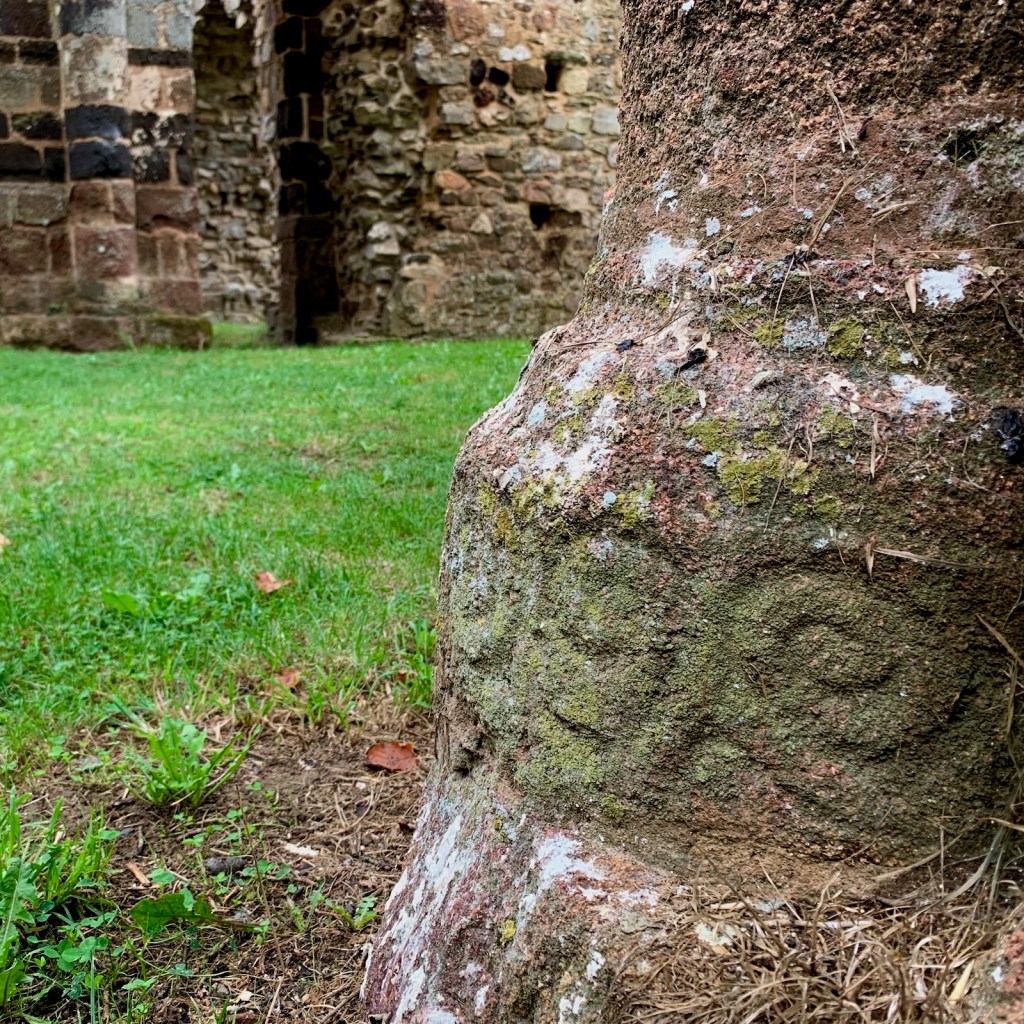
First of all, I must state that I am not a researcher of the Triskel or Triskelion, nor do I have any knowledge of them. In fact, it seems that there is no definitive research result on what the Triskelion is. In other words, it is better not to take what is written here at face value. If I were to say something that sounds simple, the Triskelion is called a “三脚巴紋” in Japanese. The meaning of the Triskelion is that three legs(三脚) of a human with a slightly bent knee are seen from the side, and are connected at 120 degrees around the base of the leg, forming a Tomoe(巴) pattern(紋), and it can also mean three spirals connected together. I understand that this explanation is unclear to begin with. Aren’t legs and spirals completely different? I’m sure I’ll be scolded. However, the pattern in the shape of a foot is found all over Europe, and in a sense it is a typical Triskelion pattern, and sometimes there are horns instead of legs. This forms a spiral in the case of the Celtic peoples of Ireland and Brittany, France. This spiral pattern is found not only in Europe but all over the world; for example, the one in Japan is called the “左三巴紋”. So, if you’re wondering “so what is that?”, it’s best to read up on Wiki. The top photo is part of a flower bed in a park in Brittany. Begonias are planted in the shape of a triskelion. The triskelion is the symbol of the Brittany peninsula and is a common pattern used in many places. The photo below was taken at one of the historical sites of Notre Dame Abbey, and traces of the triskelion remain. There are apparently parts from the 12th and 15th centuries remaining, but it is not clear which part this pattern belongs to.




 l'atelier tanu | tagnoue