Bonne journée, photo challenge

Lens-Artists Challenge #331: Resilience


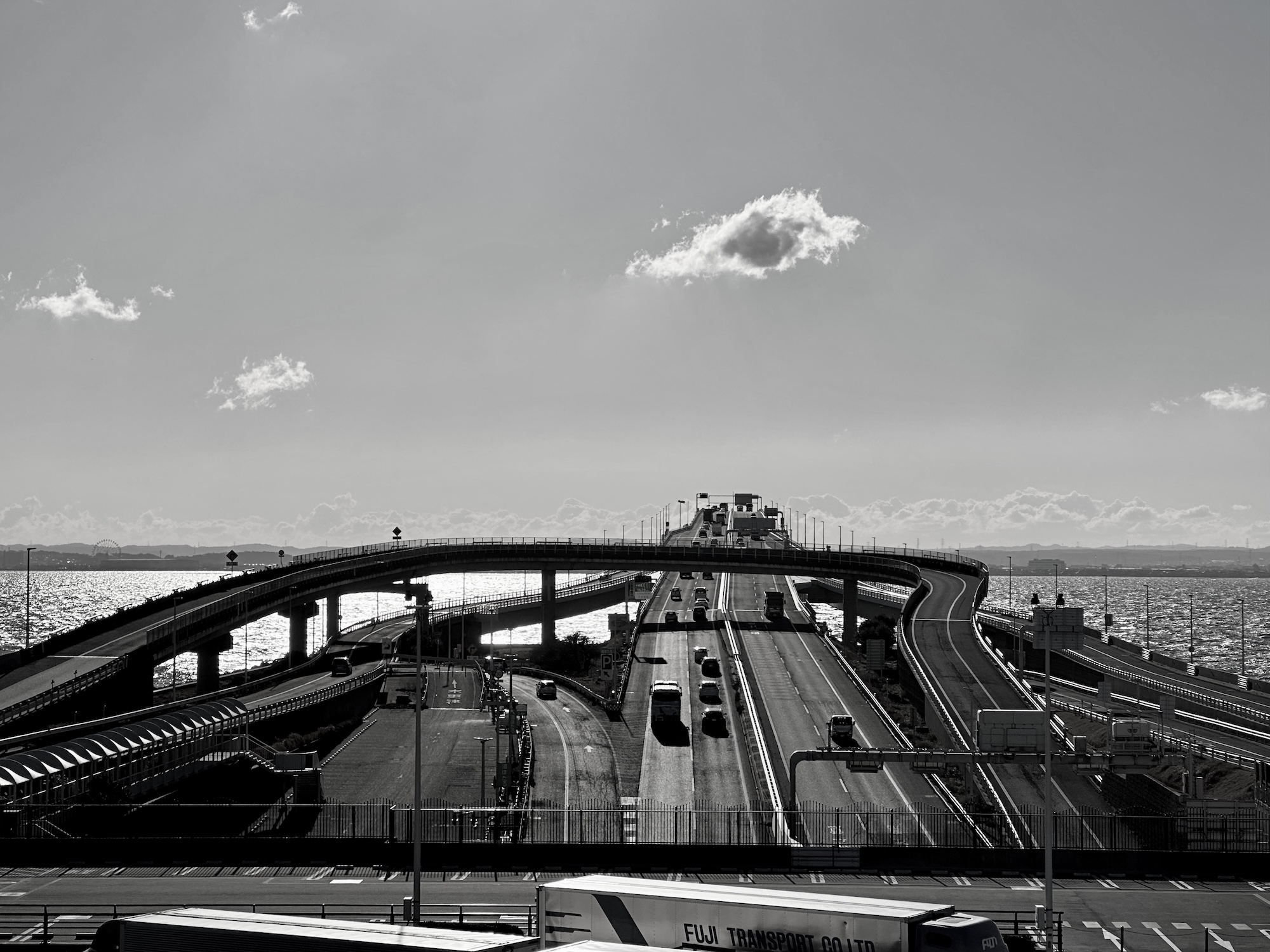
Everything I loved has been lost: the chestnut farm, the small woods, the birds singing. Instead, a big building for the elderly is going to be built. Obviously, it is understandable that such infrastructure needs to be prepared for an ageing society. The open question is whether a place can really withstand an ageing society when it has lost its natural environment. Nobody knows the answer.

The city where I was born and raised is about four hours away from the city where I live now. In a sense, it is on the very outer edge of Tokyo’s residential area, and is also a part that has been urbanized without exception. Since leaving the city when I was 18, I have visited there many times, and the city has really changed in the last 20 years. Interestingly, I get lost several times in the city I should know.

Even though, I’m not pessimistic. Still nature I know is here and there. I miss a lot of thing and it would be necessary process to change. Our society and nature is resilient, I believe.

Lens-Artists Challenge #331: Resilience

Bonne journée, Cross Cultural

palets bretons


(English text at bottom)

 パレ・ブルトンというと、ガレットというフランスのバタービスケットのことを指す場合が多い。実際のところ、’palets bretons’ を検索すると、ほぼ間違いなくガレットの紹介記事(英語)がヒットする。明確な定義はないが、薄いバタービスケットがガレットであり、厚みのあるものがパレ・ブルトンである。
 このブルトンというのはフランス北西部にあるブルターニュ地方のことであり、このブルターニュ地方でガレットというと蕎麦粉の食事クレープを指す。デザートの小麦粉のクレープはクレープであり、ガレットを出すレストランをクレパリーと言う。ブルターニュには、いたるところにクレパリーがあり、ブルターニュ人にどこが美味しいかなんて聞いたら議論百出である。
 この段階ですでにかなりややこしいことになっているが、日本語でいくら「パレ」や’palets bretons’を検索しても出てこないのが、 ‘le jeu de palets breton’ (パレ・ブルトン・ゲーム、単にパレと言う)である。トップの写真はまさにその ‘le jeu de palets breton’ なのだが、これだけ見てもよく分からないに違いない。あえて言うなら、モルックやペタンクのようなスポーツと遊びの中間のゲームである。きっと日本だと競技人口は限りなく0に近い。今ならもれなく日本代表候補になれそうなんて思ったが、案外難しいのでやめておいた方が良さそうだ。(デカトロンの紹介記事 フランス語ですが写真がありますのでどうぞ)

Palet Breton often refers to galette, a French butter biscuit. In fact, if you search for ‘palets bretons’ on the web, you will almost certainly find some articles introducing galette. There is no clear definition, but a thin butter biscuit is a galette, and a thick one is a palet breton.

Breton here refers to Brittany, a region in northwestern France, and in Brittany, galette refers to a buckwheat crepe. A wheat flour crepe for dessert is called a crepe, and a restaurant that serves galettes is called ‘creperie’. There are a lot of creperies all over Brittany, and if you ask a Breton which one is the best, there will be endless arguments.

At this stage, things are already pretty confusing, but no matter how much I search for ‘palet’ or ‘palets bretons’ in Japanese, I can’t find anything: ‘le jeu de palets breton’. The top photo is exactly that, ‘le jeu de palets breton’, but even just looking at this, I’m sure it’s hard to understand. If I had to say, it’s a game that’s somewhere between a sport and a game, like Mölkky or Pétanque. I’m sure the number of players in Japan is close to zero. I thought that right now I could be a candidate for the Japanese national team without fail, but it’s surprisingly difficult, so I think it’s better to give up. (Decathlon article in French)

Bonne journée

I’m not there but back to you soon.


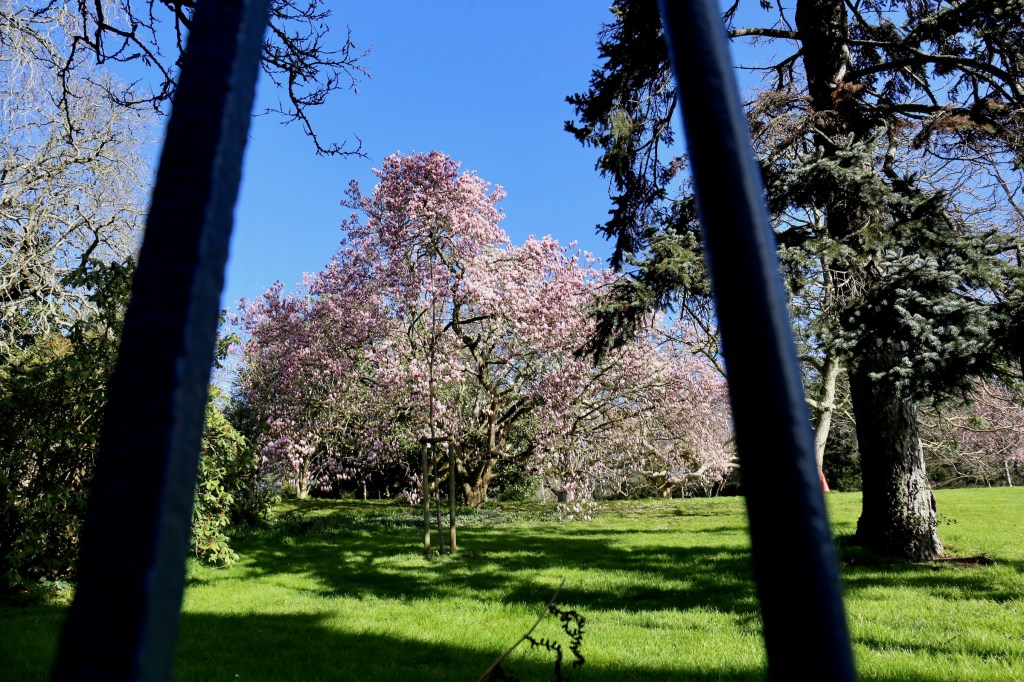
The photo above was taken on the same day about four years ago. I had mostly nothing to do there in France under pandemic yet it was blooming as usual.
I’m not there several days but back to you soon.

この写真は4年前の同じ日に撮ったものです。パンデミックのフランスで、ほとんどやることありませんでしたが、いつも通りに花は咲き始めていました。
ここ数日は忙しくてオフライン気味ですが、お正月過ぎにはオンラインに戻ってきます。

良い年の瀬をお迎えください。(JP)
Have a wonderful end of the year. (GB)
Je vous souhaite une excellente fin d’année. (FR)
Ur fin brav deoc’h ar bloaz-mañ. (BZH)

Bonne journée, photo challenge

Lens-Artists Challenge #328: Winter


Winters around Tokyo are usually sunny, no snow, blue skies, dry air, and around 10 degrees during the day. The photo above was taken near Hakone, one of the famous tourist spots near Tokyo.

Probably quite a few people doesn’t think it’s a typical image of winter but it is for me. A Christmas market held at Yokohama at a daytime may be also looked a bit strange under the blue sky. But at night, it is no different from European markets. It snows once or twice a year in Tokyo. Temperature goes down to 0 – 2 degree, sometimes below 0 degree and the next day, you will see a blue sky. Obviously it would be good for children. When I lived in France, autumn to winter brought cold and wet air. It was not so bad for me. At least, it was good for my throat.

Lens-Artists Challenge #328: Winter

Bonne journée

demat deoc’h


“demat deoc’h” in Breton seems to mean “hello there” or “good morning to you” in English. It’s a common phrase of greeting but, you may think, so what is Breton. In Brittany of France, you will see some words in Breton here and there. Around 500 thousand of people understand the Breton language more or less, and the language is very different from French. A name of some of my friends is from Breton and I cannot imagine its meaning. Brittany has an interesting culture, indeed.

(日本語訳)ブルトン語の「demat deoc’h」は英語で「こんにちは」または「おはようございます」という意味らしい。これは一般的な挨拶のフレーズなのだが、もしかしたらブルトン語って何だろうと思うかもしれない。フランスのブルターニュ地方では、あちこちでブルトン語の言葉を目にする。ブルトン語を理解する人は約50万人で、フランス語とは非常に異なるものだ。私の知人の名前の何人かはブルトン語から来ているが、その意味は全く想像できない。ブルターニュには実に興味深い文化がある。