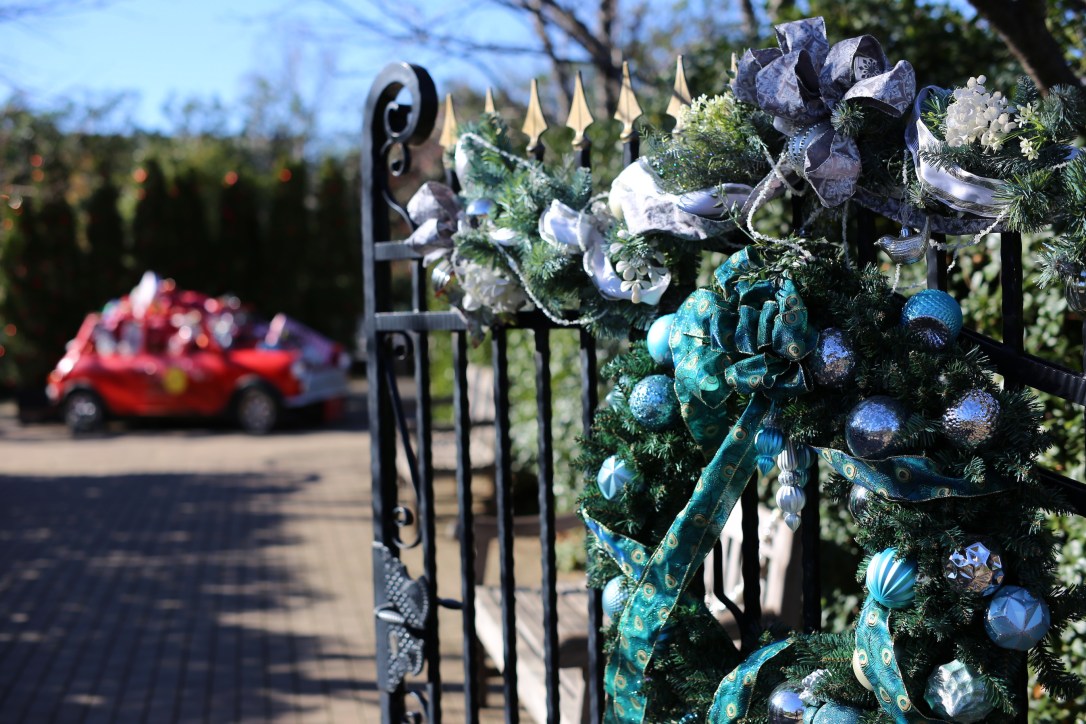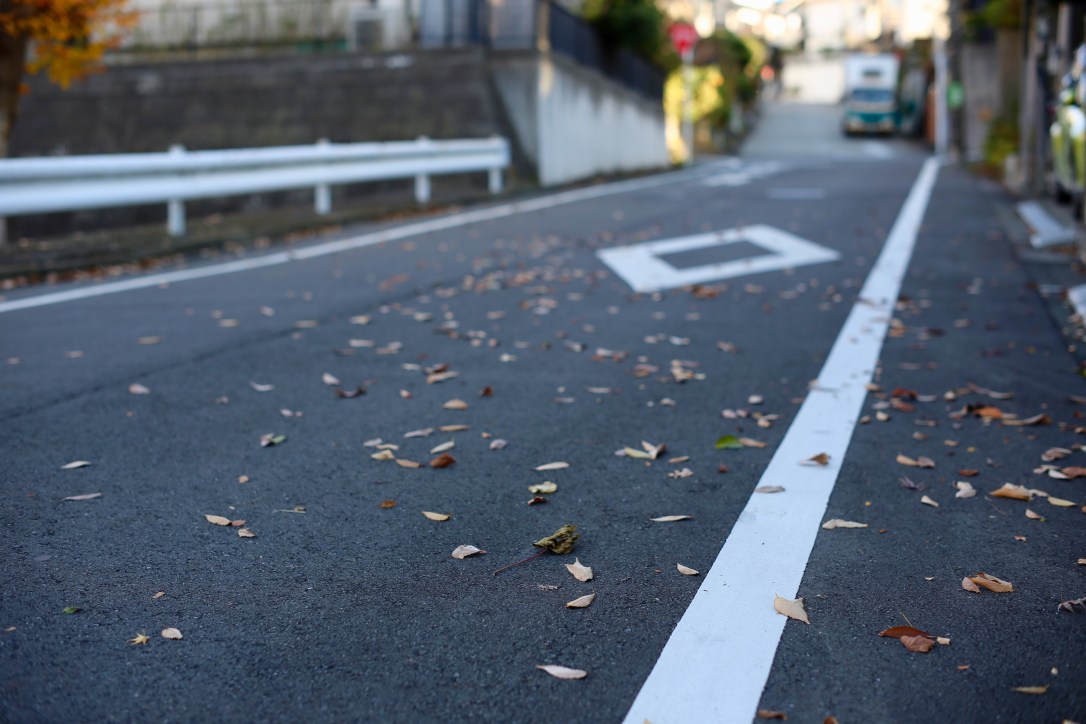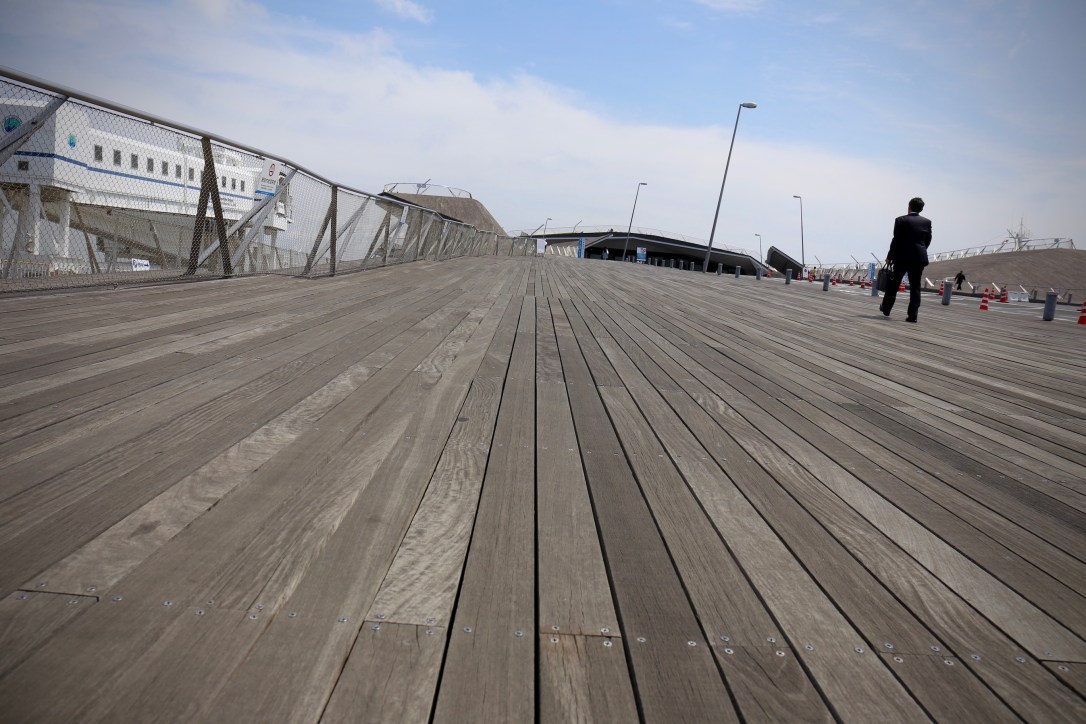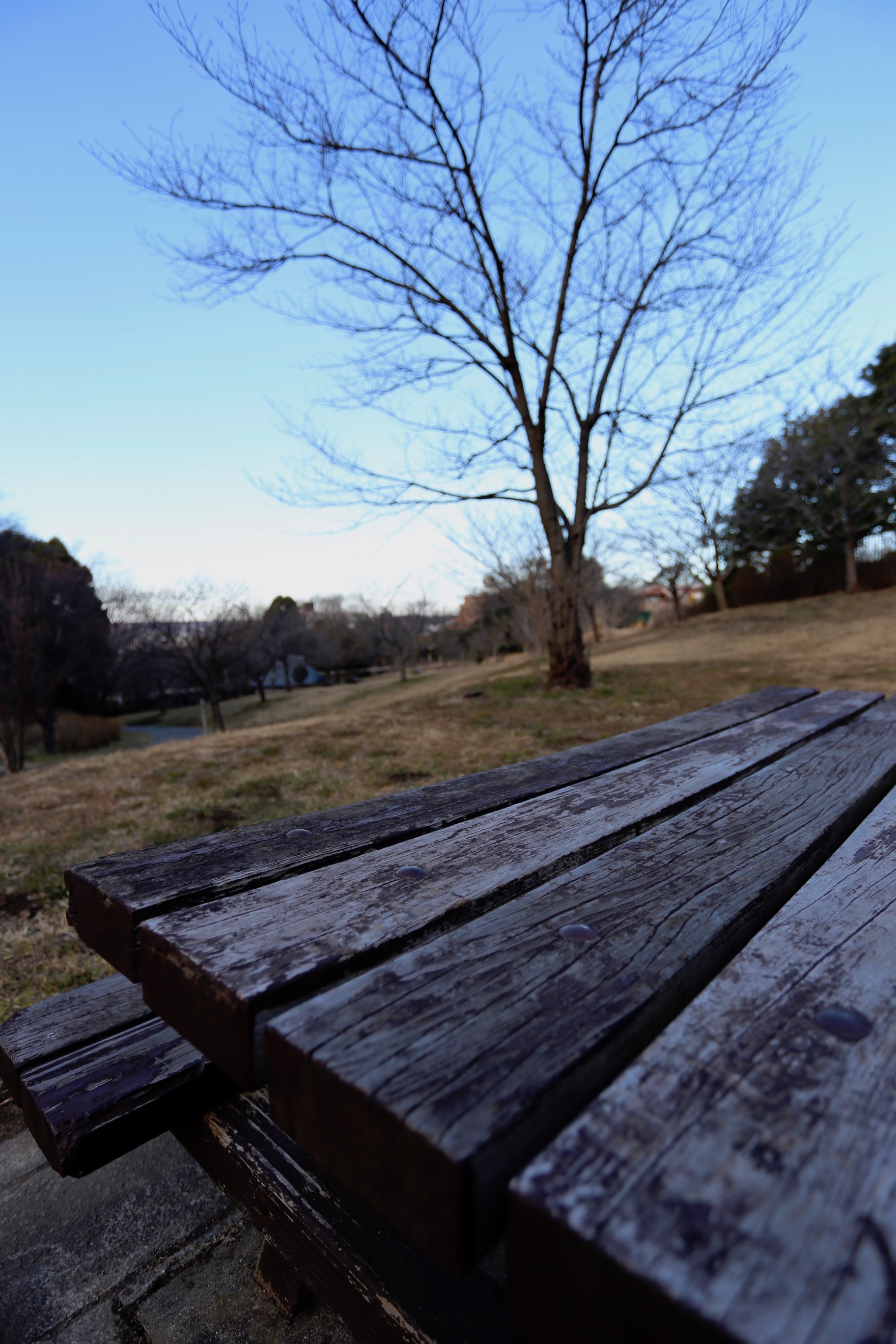
The macro lens which I took this picture with was designed around 25 years ago. It still gives me gentle and graceful photos.
おそらく1990年発売の古いマクロレンズだが、今でも優美な絵を写し出す。
My second contribution to WPC:Focus.
capturing in prose

The macro lens which I took this picture with was designed around 25 years ago. It still gives me gentle and graceful photos.
おそらく1990年発売の古いマクロレンズだが、今でも優美な絵を写し出す。
My second contribution to WPC:Focus.
Sometimes bokeh brings special effects on a daily casual photo. A question is how to take it. Of course it is easy to do. Just to open the aperture and to get closer to what you want to focus on, you get nice bokeh. However it may not be what you have imagined. Professional photographers know how to balance between sharpness and bokeh and that’s why they earn living by taking pictures.
It was timely theme for challenge this week because I was wondering how I took a picture having bokeh with my old 100mm lens which produces strong blur in some cases. In other words, how to give an impression of focusing without strong bokeh.
世界の向こう側が見えるレンズを覗き込んだような滑り台。
In response to the weekly photo challenge, Focus by The Daily Post.
Almost two years ago, I had tried my new photographic expression named ‘mostly monochrome‘ which was mostly hueless and low saturated. The picture on top is the new one as I promised. I haven’t edited the photo so much. The colors are quite natural.
2年ほど前に”mostly monochrome”と名付けた僅かに色の残った写真のシリーズを試したことがある。これはその続き。あまり編集せずに自然な色合いをそのままにしたつもりである。
A Part of Mostly Monochrome Monday