Why visit an old castle? Maybe it’s because it has historical value, maybe it’s simply beautiful, or maybe it’s part of a tour organized by someone. In my case, it’s all of those reasons, plus the desire to relax.
If it’s a famous place, it’s bound to be far from crowded and relaxing. This may seem contradictory, or at least illogical. But as you probably all know, visiting a tourist spot isn’t just about seeing it, it’s also sometimes about talking with your partner, family, friends, and even strangers. Old castles always spark conversation, because many people have been there, whether you know them or not.
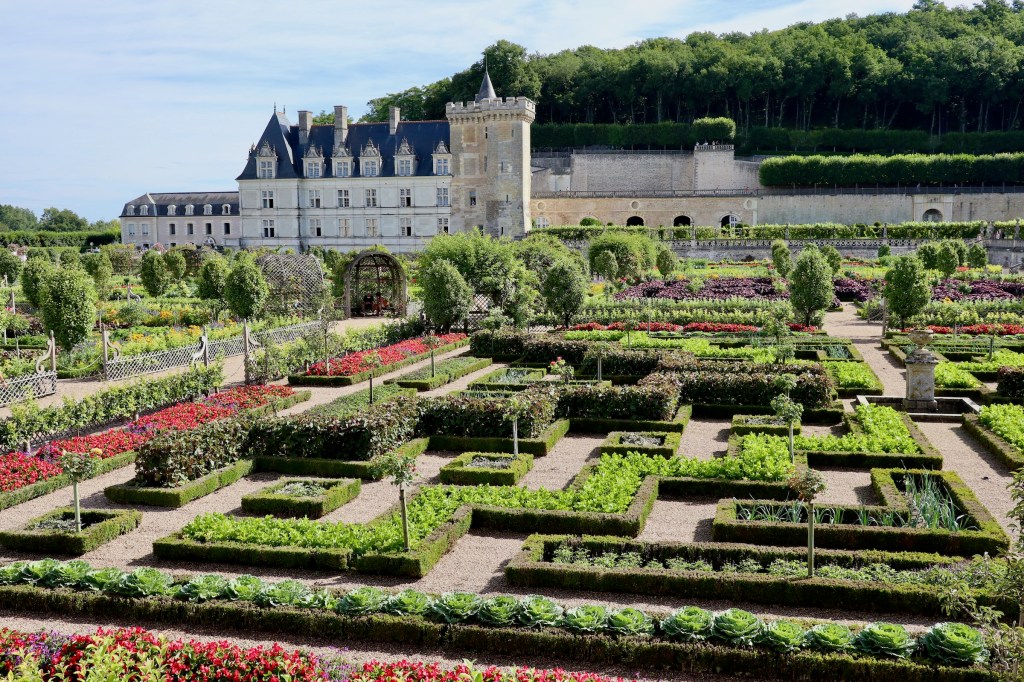
A few years ago, I was in the courtyard of a famous castle in the Loire Valley in France. It was just after the COVID-19 pandemic had ended. There were still a lot of cases, and travel was not the time to go, but the Loire Valley was close to my home, so it was a good time to start returning to normal life.
I imagine it’s now very crowded with tourists from all over the world. I lost two family members of my friends during the COVID-19 pandemic. While I’m grateful to finally be back in the world, I don’t want to forget that there are still people I know who feel unsafe.
The heat of the Japanese summer is now known worldwide. The other day I told a French acquaintance of mine that the temperature has been reaching 35 degrees in Celsius (95 F) every day, and he asked me if the humidity was still high, so I guess it’s well known that it’s hot and humid. Traveling to Japan seems to be popular these days because of the weak Japanese yen, but it seems best to avoid midsummer.
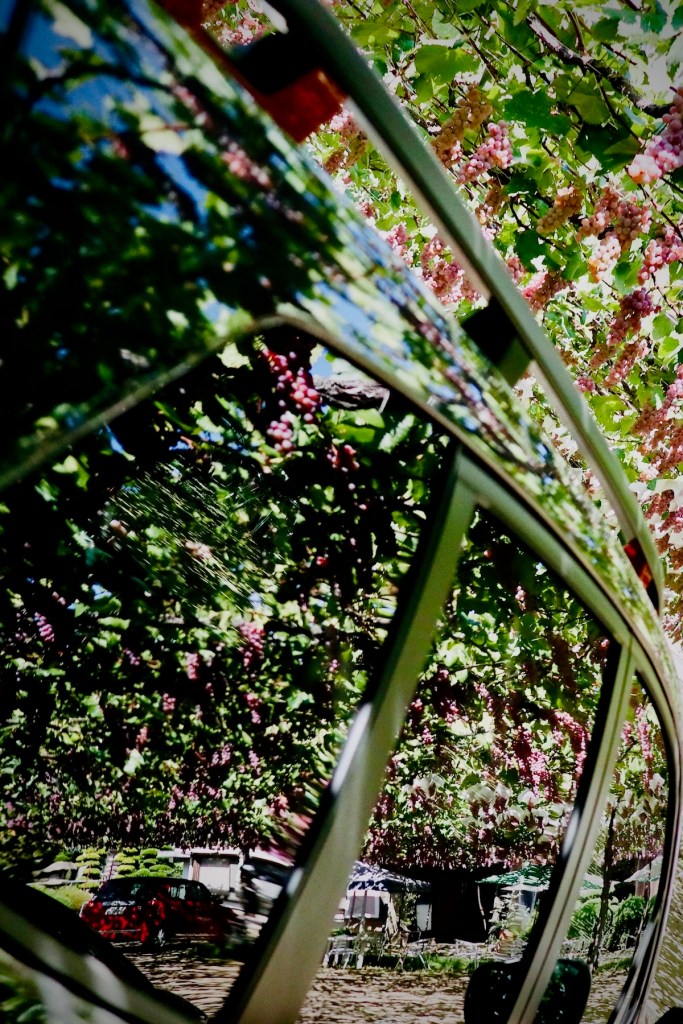
By the way, there is an old photography technique called solarization. It is a phenomenon in which light and darkness are partially reversed in monochrome development by exposing the film to too much light. When walking under the hot summer sun, you may fall into the illusion of solarization. The sparkling light in the photo is always interesting to me.
(日本語訳は下にあります) It was a long discussion in Japanese. In the next room, my colleagues were talking about budgets and technology. It must have been an interesting topic for my guest, who was waiting for the next meeting with me. I was almost confused because budgets must be closely related to his company. But, looking at him, he didn’t seem nervous. After a while, the meeting ended and my colleagues passed by me. One of them was clearly surprised by my guest. I asked him if he understood what was discussed in that room. He answered “It’s mostly encrypted, except for …”. So I asked “Except for what?” His answer was “Mata-ashita (see you tomorrow)”. He was French and spoke good English, but not Japanese. In fact, he didn’t say “Mata-ashita” but “Natasha”. My next question was, as you imagine, “Who is she?” The photo above was taken in Butrint, Albania. The wall is part of a World Heritage Site and the ruins have a very long history, dating back at least to the 4th century BC. I didn’t understand what was written on the wall. It was like a code to me, but that’s OK. I knew it was a historic place just by looking at it. It’s a kind of common knowledge. If you look at the picture below, you’ll see that the Queen of Hearts is screaming “Off with his head!” though there’s nothing written. That’s it.