Bonne journée, Cross Cultural, Photo

Loire-4


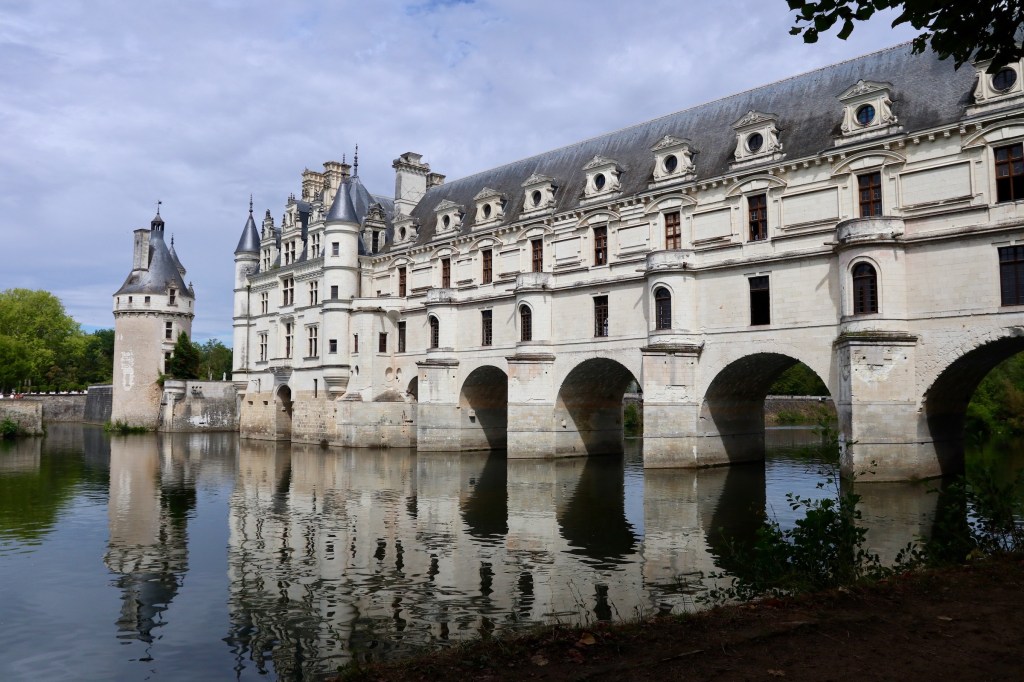
I have no idea what it would be like to live on a bridge, but regardless of whether it would be comfortable or not, I can’t help but feel a little excited. I should be more careful after heavy rains. Insects may be noisy in summer. It might be too cold while wintertime. 
In reality, this castle was used for entertaining guests, and was not a residence. There are many stories about it, but most of them are about royalty and the nobility, and are stories from a world far removed from the common people.
The gardens and forest are beautiful and it’s fun to stroll around leisurely, but I’d like to add that the parking lot is a bit of a hassle as it’s dirty with gravel and mud. However, I’m sure it must have been much damper and more difficult to walk around in the 16th century.

Bonne journée, Cross Cultural, Photo

Loire-3


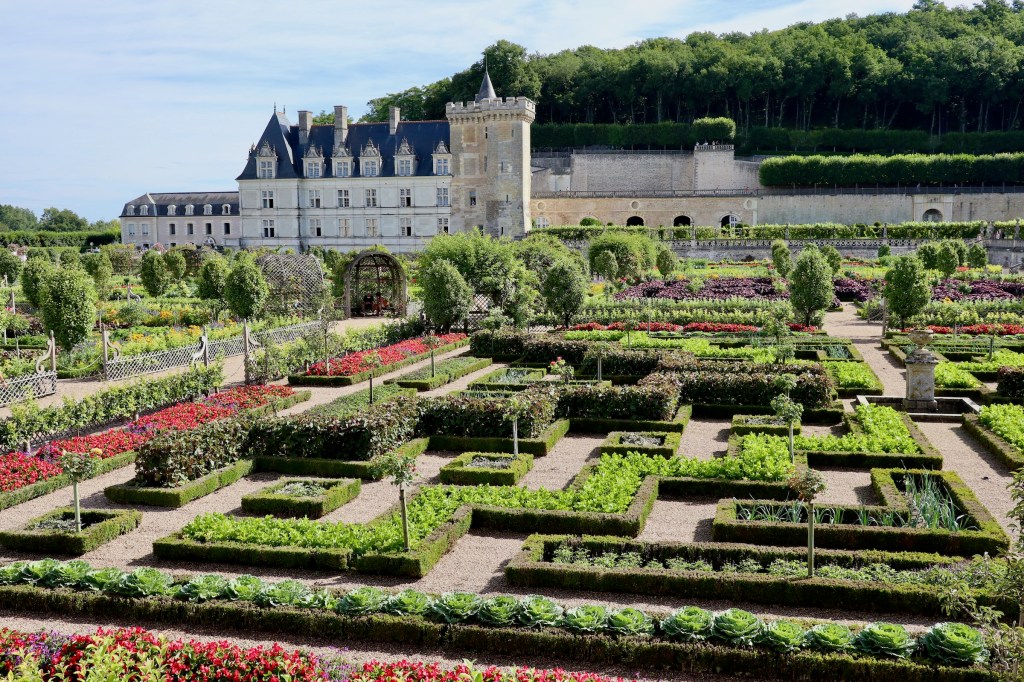
A formal garden, as a part of European garden, is called “平面幾何学式庭園” in Japanese literally “a flat geometric garden” which may explain it rather precisely. According to a book, the geometric design of French gardens was a way of showing the king’s authority. In other words, by using geometry, it showed his dominance over nature. Whether that’s true or not, at the very least, strolling through such geometric gardens is one of the highlights of a castle tour.

Bonne journée, Cross Cultural, Photo

Loire-2


Why visit an old castle? Maybe it’s because it has historical value, maybe it’s simply beautiful, or maybe it’s part of a tour organized by someone. In my case, it’s all of those reasons, plus the desire to relax.

If it’s a famous place, it’s bound to be far from crowded and relaxing. This may seem contradictory, or at least illogical. But as you probably all know, visiting a tourist spot isn’t just about seeing it, it’s also sometimes about talking with your partner, family, friends, and even strangers. Old castles always spark conversation, because many people have been there, whether you know them or not.

Bonne journée, Cross Cultural, Photo

Loire


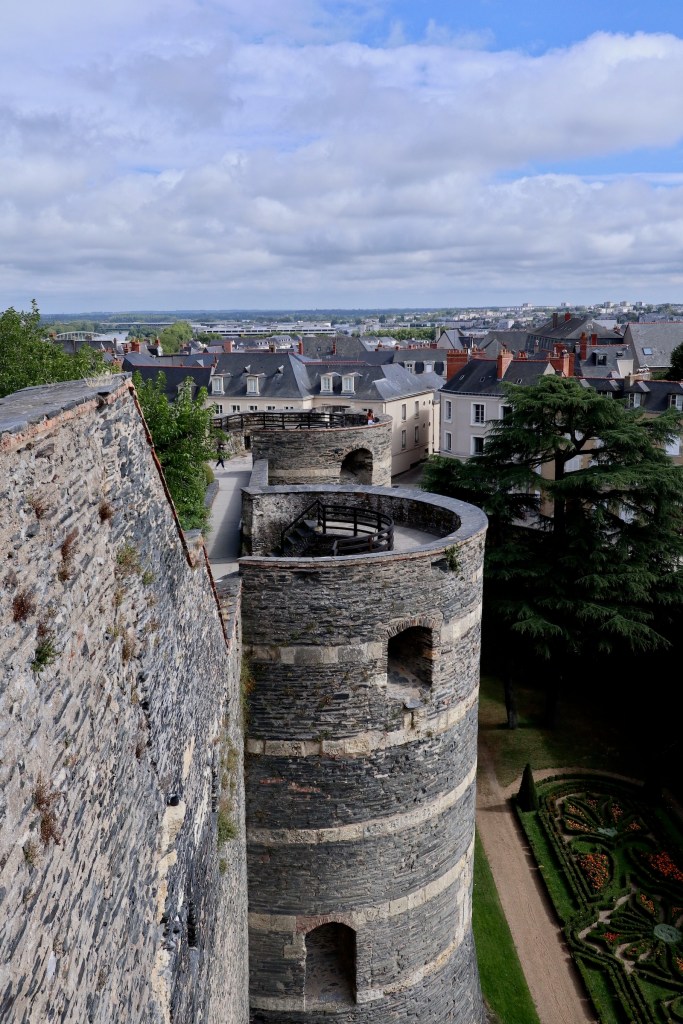
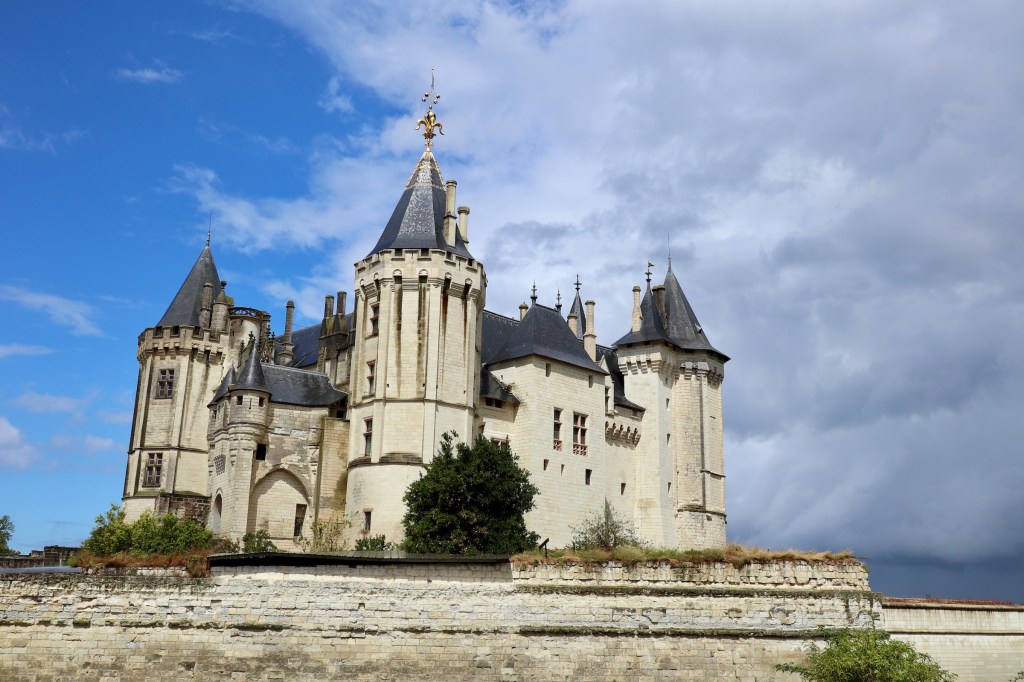
A few years ago, I was in the courtyard of a famous castle in the Loire Valley in France. It was just after the COVID-19 pandemic had ended. There were still a lot of cases, and travel was not the time to go, but the Loire Valley was close to my home, so it was a good time to start returning to normal life.

I imagine it’s now very crowded with tourists from all over the world. I lost two family members of my friends during the COVID-19 pandemic. While I’m grateful to finally be back in the world, I don’t want to forget that there are still people I know who feel unsafe. 

Bonne journée, Photo

Solarization


The heat of the Japanese summer is now known worldwide. The other day I told a French acquaintance of mine that the temperature has been reaching 35 degrees in Celsius (95 F) every day, and he asked me if the humidity was still high, so I guess it’s well known that it’s hot and humid. Traveling to Japan seems to be popular these days because of the weak Japanese yen, but it seems best to avoid midsummer.

By the way, there is an old photography technique called solarization. It is a phenomenon in which light and darkness are partially reversed in monochrome development by exposing the film to too much light. When walking under the hot summer sun, you may fall into the illusion of solarization. The sparkling light in the photo is always interesting to me.

(簡易訳)最近は日本の暑さも知られてきたらしく、フランス人の知人に相変わらず熱くて蒸してるのか?なんて聞かれる始末である。まあ、その通りなのだが、そんな中を歩いていると、光の加減が妙に見えることがある。白黒写真のソラリゼーションみたいなもので、光と影の関係が怪しくなるのである。