久しぶりに見たというよりは感じた横浜の激しい混雑は、もうそれ自体がアトラクションのようだった。もう、毎年の事だが、この日だけは混雑するので山下公園やみなとみらい地区には出かけないようにしてきた。以前は早めに出かけていって、よこはまパレードだけを楽しんだら最後のグループが登場する直前にその場を離れていたのだが、それでも激しい混雑は避けられない。5月3日である。横浜のゴールデンウィークの混雑のピーク。
しかし今年は、フランスから知人が遊びに来ていたので、思い切って大混雑の中華街と山下公園に連れ出したのだった。関内駅で京浜東北根岸線を降り南口に歩き始めた段階で、この決断が大きな間違いだったと後悔していた。なにしろ、ホームから人が出きらないうちに次の電車が来る始末。ようやく駅の外に吐き出された頃には、早くも疲れたような気分にすらなっていた。とはいえ、右も左も分からないであろう知人グループを置き去りにするわけにもいかない。何しろ、家族みんなで来た10人近い人数のグループなのだ。ひとりくらい忘れても気づかないのじゃないかとハラハラする。
みんなを集めて聞く。
「中華街には興味があるか?世界最大級の中華街で、世界で一番安全だ。ただし、今日は半端じゃない混雑だから、行くなら午前中の今しかない。行きたいひと〜!」
返事は案外そっけない。任せるよ。ニューヨークみたいな感じかなあ。その程度である。了解。じゃあ行こう。行けなかったなんて後で言われてもつまらない。
歩き出して最初に通過するのが横浜DeNAベイスターズの本拠地、横浜スタジアム。
「このスタジアムは何?」
「ああ、横浜のプロ野球チームの本拠地だよ。」
なんて説明をするが、そもそも野球って何?という国から来ている。フランスだって野球チームはあるが、さほど人気がないからほとんどの人がルールさえ知らない。せいぜいクリケットっぽい感じらしいという程度である。しかもその理解は明らかに間違っている。幸いなことにスタジアムには興味があるが、野球は知らないからその程度の説明で十分だった。
そんな説明をしながら公園を抜けて右にゆくよーなんて声をかけて振り返ったら、すでに2名足りない。トイレに行ったとのこと。仕方なく待ち時間に横浜の歴史を説明する。たった160年ほどの歴史だが、開国から絹の輸出までを説明して、パリ万博の話などに触れていたら、案外興味深かったらしく、急に後が楽になった。
「でね、当然中国の貿易商などもいたわけじゃない。その通訳が住んでいた場所が中華街の原点なんて言われているんだよ。」
ようやく話がつながり始めた。
そんなこんなで中華街の一番隅っこ、へりの部分にたどり着いて宣言する。
「これから中華街に入って行くけど、安全とはいえ、スリには注意してね。多分、今日はかなり混雑しているから尚更ね。」
しかし、反応は鈍い。ふーん。そんな程度である。確かに中国語の看板も見えているし、ちょっと裏路地風の感じがさも中華街という雰囲気も感じるが、面白みはない風景かもしれない。古臭い灰色の壁に漢字。それだけ。仕方なく、狭い通りを抜けて中に入っていく。
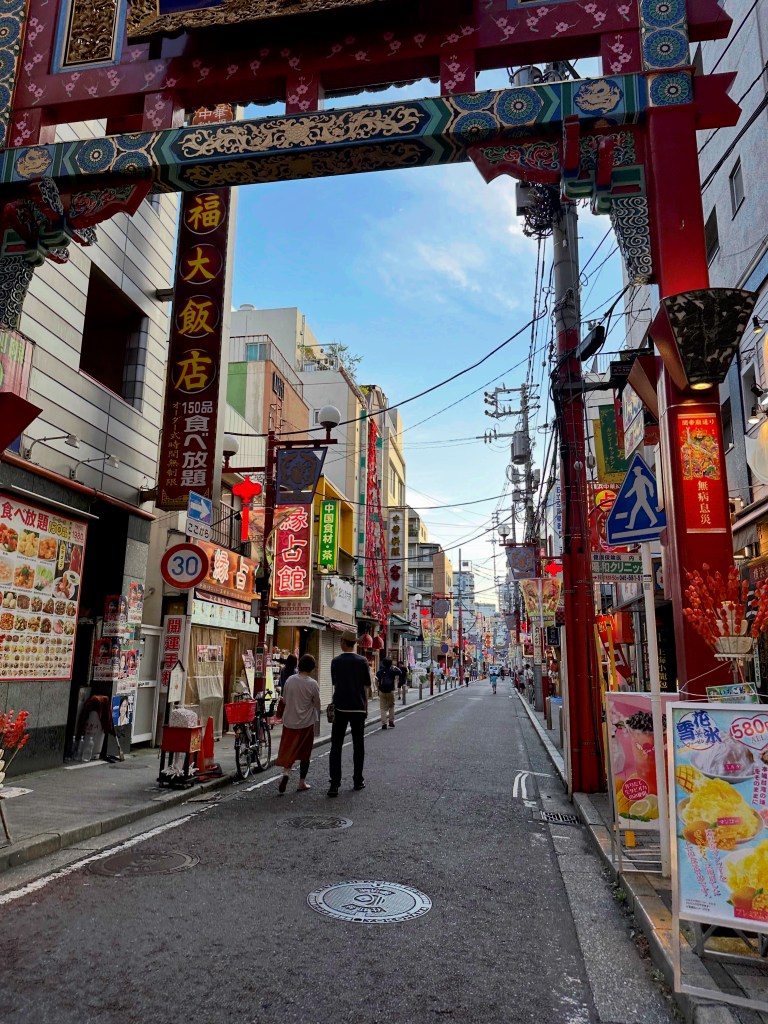
ふと、角を曲がった時である。みんなから一斉に「おー」という声が上がる。それらしい赤と金が主体の看板やら何やらがごちゃごちゃと目に飛び込んでくる。そこで気づいたのである。確かに日本人には、日本語と中国語の区別はついているが、フランス人にとっては直ぐには判別できない。ようやく違いがはっきりわかる場所に着いたというわけである。
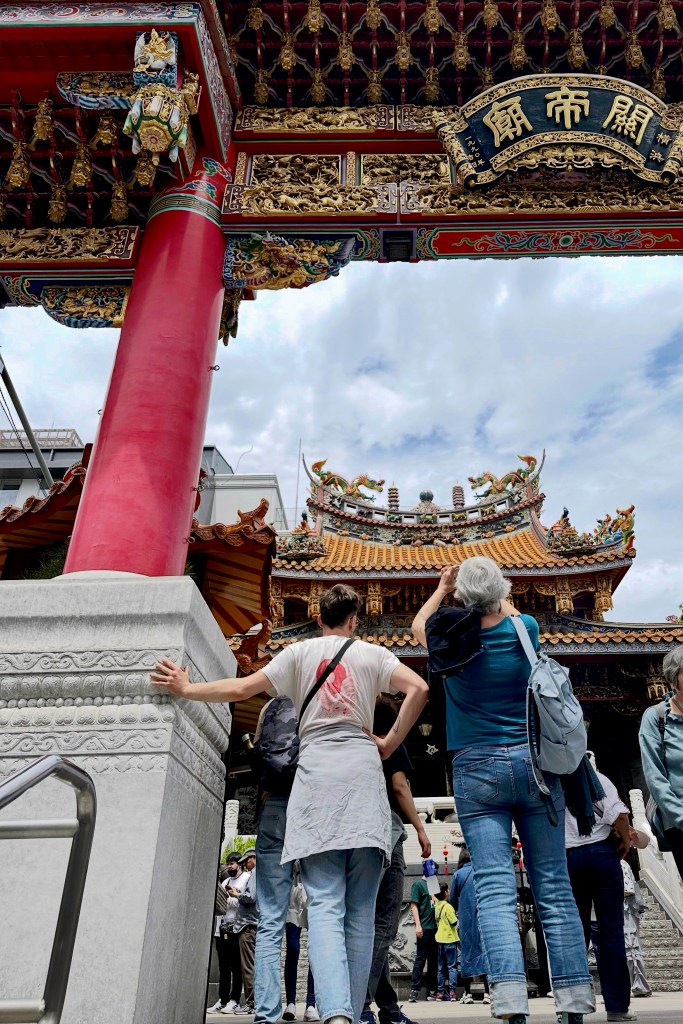
そこからは誰もがスマートフォンを取り出して写真を撮り始めた。一通りメインストリートをぐるぐると回り、お決まりの関帝廟にお参りし、最終的に東門近くまでたどり着いた頃には息切れするレベルである。ごった返す通りを歩くのに疲れ果てた若い連中は、肉まんを買うという。いや、買うなら大混雑の午後より今が良いが、それでも20分待ちだよ、なんて言っている間にいつの間にかもう列に並んでいた。やれやれ。まあ、そのためにここに連れてきたのだから、楽しんだ方が良い。買い方わかるか?なんて声をかけたら、分からないから楽しいとのこと。まあ、そりゃそうだ。道の反対側のちょっとした空き地のようなスペースに立って、買って帰ってくるのを待つ。すると、残りのメンバーがいつの間にか消えていた。別な店で風鈴を物色中である。そして言う。
「これって何?呼び鈴?この下の紙の部分を持って鳴らすの?」
確かに見たことがなければ何に使うものか分かるはずもない。
「これはね。風に揺られて小さな音が鳴るんだよ。暑い最中にこんな音が聞こえると、少し涼しげでしょ。」
そう言って、口で息を吹きかけて音を鳴らす。
「え?どういうこと?」
はいはい。その通りですね。音で涼しさを感じる文化なんて、簡単には伝わらない。そこから言葉を尽くして説明する。最後には、すっかり意図が伝わって、ぜひ欲しいなんて言い出したが、文化の説明は難しい。
そんなことをしていると、やがて肉まんをたくさん抱えた若いメンバーが戻ってきた。さあ食べよう。そんな感じである。パクッと口にして言う。熱い!そういうものだ。熱い食べ物に慣れていないフランス人である。不用意すぎるというものだ。それでも面白がって食べるとようやく動けるようになった。
中華街を抜け出して山下公園近くまでくると、多少人混みも減ってきたが、それでも普段に比べたら断然人が多い。中華街はすごい人だったねえなんて驚いていたが、今度は、よこはまパレードの壁が待ち受けている。
「へー、高校生とかも出ているんだね。もしかして、横浜の高校生はみんなこれに参加するの?」
いやいや、人口300万人だよ。この調子でパレードしてたら何日かかることやら。またも質問の嵐だったが、どうやら混雑している理由の一つも理解したようで、めちゃくちゃ面白いという。連れてきてよかったとようやく安心したのだった。
それから山下公園を少しだけ散策して、氷川丸に立ち寄れば、予想外に高級な貨客船の歴史と船から見える風景が面白い(らしい)。再び中華街に戻って予約をしていたレストランでようやく遅い食事となった。
この戻ってきた時の中華街の混雑といったら笑いが漏れるレベルだった。
「ようやく、午前中の方がまだマシと言っていた意味がわかったよ。」
本音だろう。こんな混雑、自分も経験がない。
この後も混雑話は続くが、それはまた別の機会に。
今回は写真を撮っていません。ここで使っている写真は空いている時に撮った過去のものです。ホスト側なので、そんな余裕もなく、なんとか喜んでもらうので精一杯でした。お察しください。
時々聞かれるのでもう一点。会話は英語です。「お前、フランス語より英語のほうが楽だろ。英語でいいよ。」いやはや助かる。フランス語ではボキャブラリは足りず、ニュアンスを伝える語学力もありません。そんなわけで、英語、時々フランス語、稀に日本語という不思議な会話をしていました。中華街のど真ん中で、たまたま前を歩いていた二人はスペイン語でなぜかAIについて議論中。横の店では中国語のやりとり(何を言っているのか不明)。そんな中でブレずに英語を話すのが混乱しないコツというものです。疲れました。