Bonne journée, photo challenge

Lens-Artists Challenge #335: Exploring Color vs Black & White


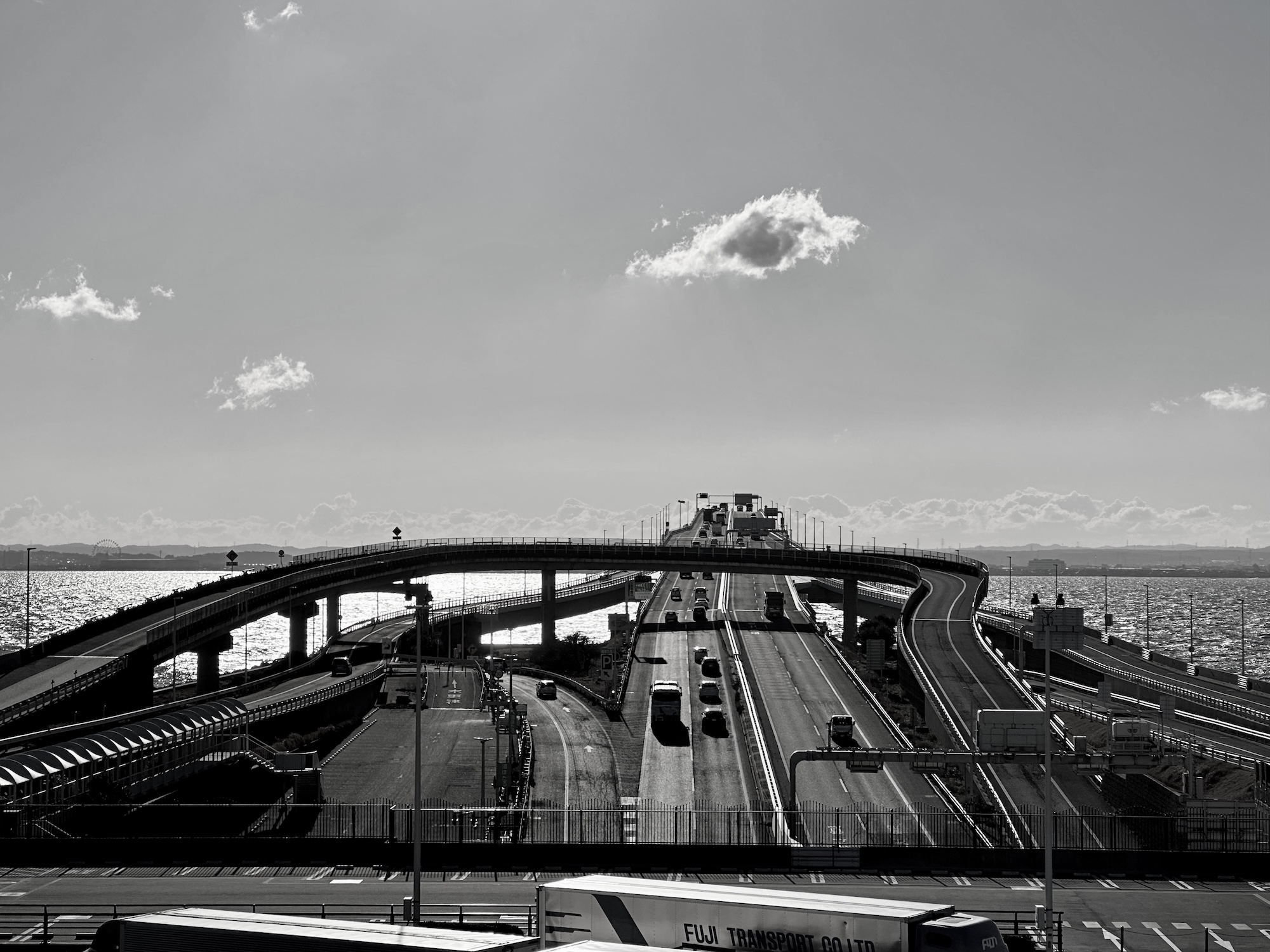
Color usually conveys a lot of information. In most cases, that’s true. But sometimes, like in cityscapes, color is just part of the symbolism. That’s why I prefer monochrome photography. Some information may be lost, but rather, information such as shapes that you don’t notice in color may be added, and the photo may be found to be fail.
This photo was taken with an iPhone. I had my camera with me, but I needed mobility, so I left the camera in the car and took the photo with my iPhone. If you can’t look through the viewfinder, you may actually take more interesting photos by a smartphone.

Lens-Artists Challenge #335: Exploring Color vs Black & White

 (意訳)色は、一般的には、たくさんの情報を伝えるものだ。ほとんどの場合、それは事実である。しかし、都市の風景のような場合では、色は単なる象徴の一部に過ぎないこともある。だからこそ、モノクロ写真を好んでいる。一部の情報は失われるかもしれないが、むしろ、色では気づかない形状などの情報が追加され、かえって写真が失敗となることもある。
 この写真はiPhoneで撮影したものだ。カメラは持っていたが、機動力が必要だったので、カメラは車に置いてiPhoneで写真を撮った。ファインダーを覗けないような場合では、スマートフォンで撮影した方が実際にはもっと面白い写真が撮れることもある。

Bonne journée, photo challenge

Lens-Artists Challenge #333: Complementary Colors


(日本語は下に)
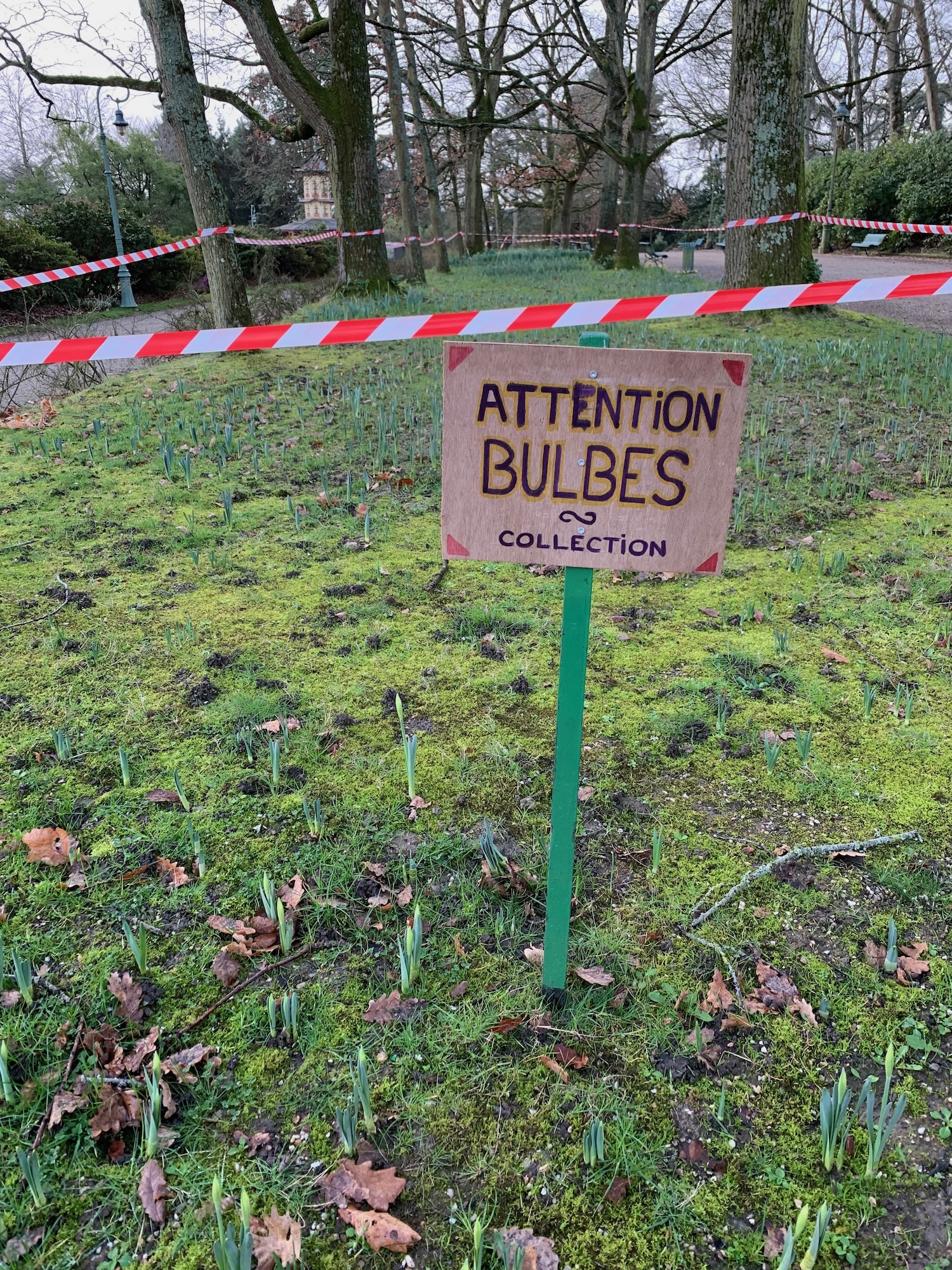
I haven’t have any opportunity to take out my camera to take pictures this week. Above picture is from my stock.

In fact, I took this picture for my memorandum to learn foreign languages at first. As you may know, my mother language is Japanese and the second language is English. Interestingly, around for 20 years, I was working with French colleague and the common language was English, not in French. However, obviously, I have had a lot of opportunities to communicate in French.
On above picture, it says ‘Attention Bulbes, Collection’ and it confused me. Those words seem to have no big differences from English but clearly to be written in French. ‘Bulbes’ includes ‘e’. Perhaps it can start with ‘Caution’. It interested me.

After thinking about languages, I found that another interesting point. A notice board had a green pillar probably to blend in with the surroundings. On the other hand, the protected area was surrounded by red tape, complementary color. It looked inconsistent.
Eventually, I decided to keep a picture for my future blogging.

This week, strictly speaking, my post is not a part of ‘Photo’ challenge but hopefully you could be interested in.

Lens-Artists Challenge #333: Complementary Colors

この写真はチャレンジのために撮ったものではなく、過去写真です。
写真には花壇にある球根への注意の立て札がありますが、英語のように見えて、実はフランス語です(球根を意味するBulbeは英語では最後のeが不要です)。言語が似ていると読めてしまう面白い例かなと思います。
もうひとつ面白いのは、立て札が景観を壊さないように緑の柱で綺麗に作られているのに、なぜか保護エリアは赤いテープで区切られています。この中途半端な感じが面白くて写真に収めました。

Bonne journée, photo challenge

Lens-Artists Challenge #331: Resilience


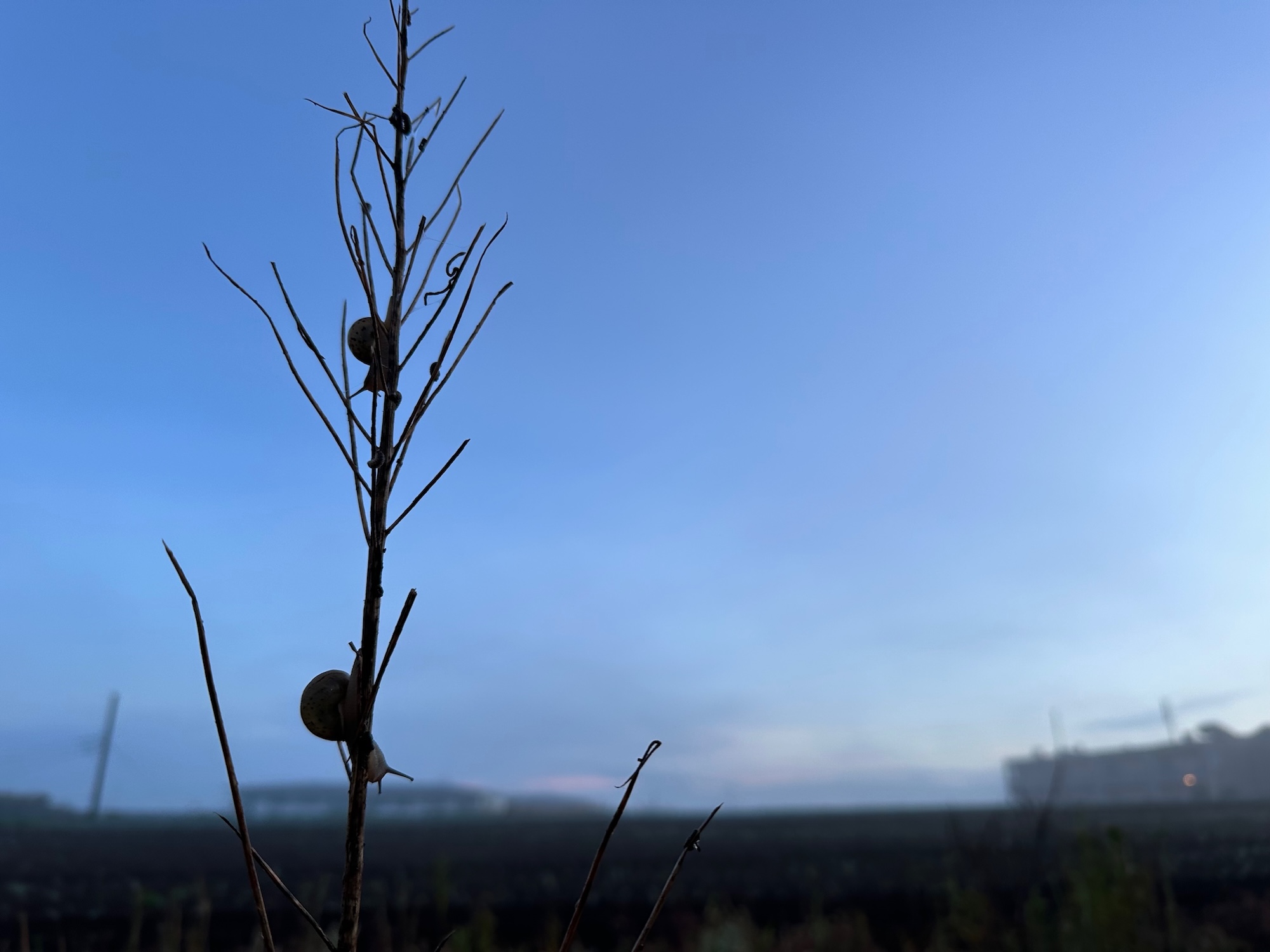
Everything I loved has been lost: the chestnut farm, the small woods, the birds singing. Instead, a big building for the elderly is going to be built. Obviously, it is understandable that such infrastructure needs to be prepared for an ageing society. The open question is whether a place can really withstand an ageing society when it has lost its natural environment. Nobody knows the answer.

The city where I was born and raised is about four hours away from the city where I live now. In a sense, it is on the very outer edge of Tokyo’s residential area, and is also a part that has been urbanized without exception. Since leaving the city when I was 18, I have visited there many times, and the city has really changed in the last 20 years. Interestingly, I get lost several times in the city I should know.

Even though, I’m not pessimistic. Still nature I know is here and there. I miss a lot of thing and it would be necessary process to change. Our society and nature is resilient, I believe.

Lens-Artists Challenge #331: Resilience

Bonne journée, photo challenge

Lens-Artists Challenge #328: Winter


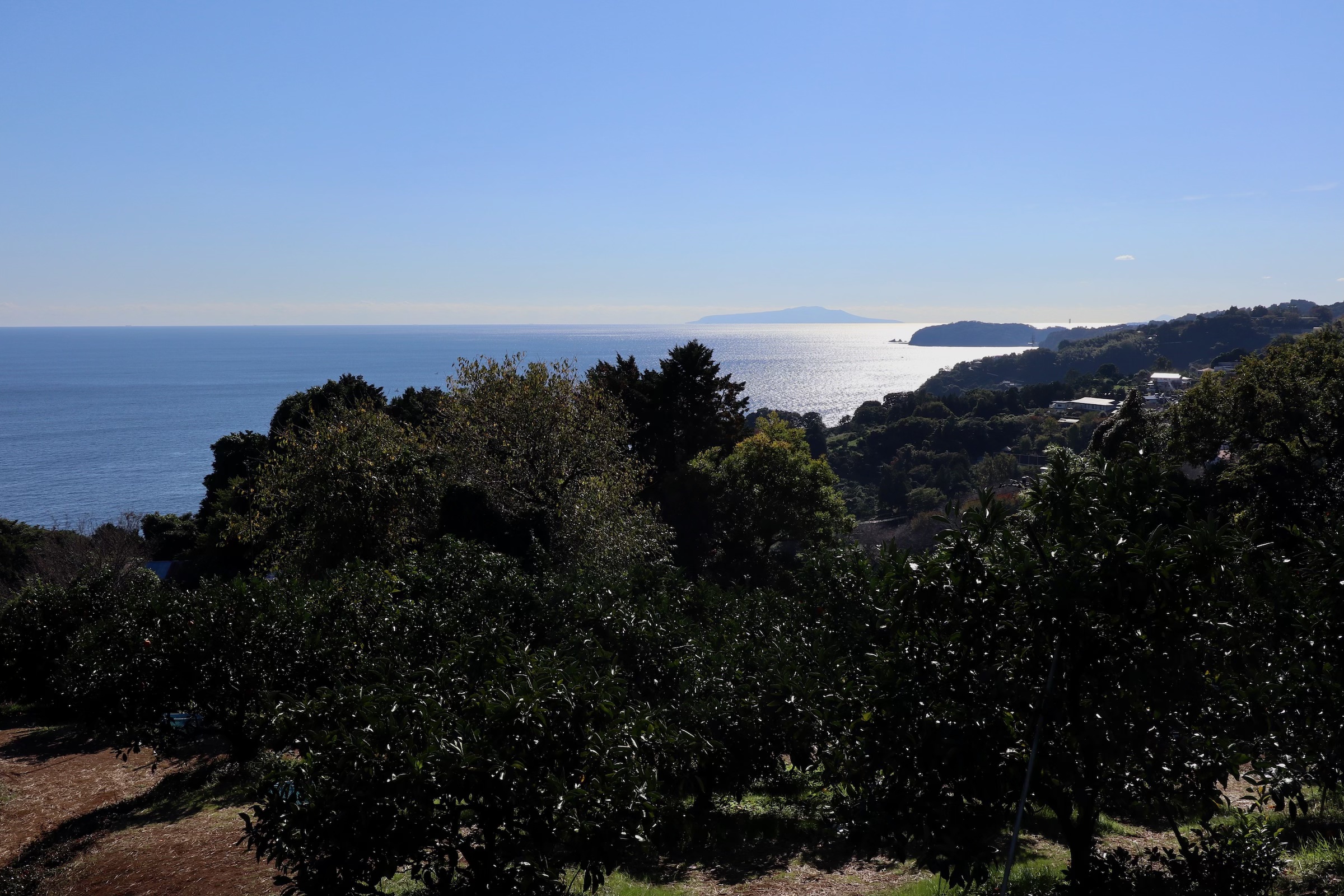
Winters around Tokyo are usually sunny, no snow, blue skies, dry air, and around 10 degrees during the day. The photo above was taken near Hakone, one of the famous tourist spots near Tokyo.

Probably quite a few people doesn’t think it’s a typical image of winter but it is for me. A Christmas market held at Yokohama at a daytime may be also looked a bit strange under the blue sky. But at night, it is no different from European markets. It snows once or twice a year in Tokyo. Temperature goes down to 0 – 2 degree, sometimes below 0 degree and the next day, you will see a blue sky. Obviously it would be good for children. When I lived in France, autumn to winter brought cold and wet air. It was not so bad for me. At least, it was good for my throat.

Lens-Artists Challenge #328: Winter

Bonne journée, photo challenge

Lens-Artists Challenge #325: Gratitude


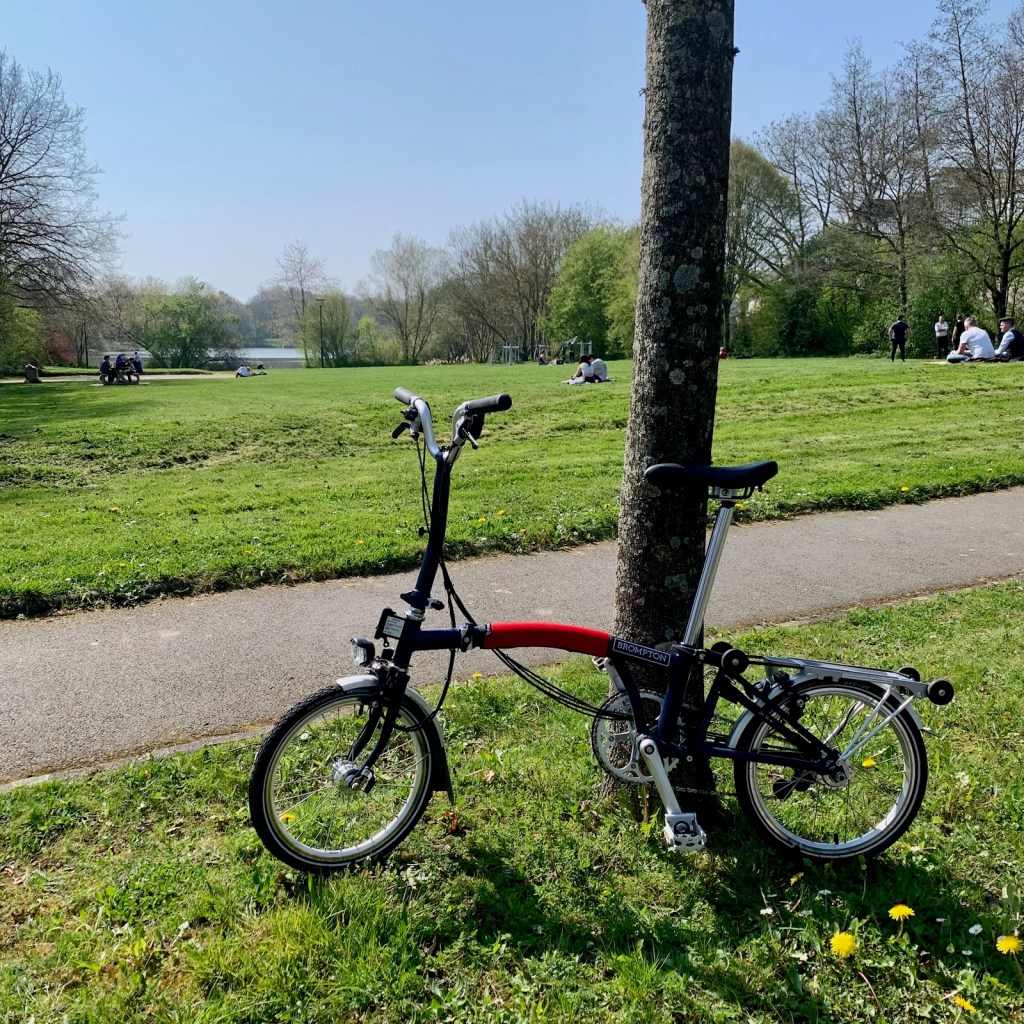
When I was in France, especially last several years of COVID-19, it was not so easy. I was just an immigrant and my speaking french was terrible to say the least. Even though, I had to communicate with some people under strong ristriction. For instance, some of law term in French was new to me. As a worker, usually I was familiar with a sentence like “You shall not go out.” but some paper such as a testimony was saying “Movement restriction” in French. Such expression was reasonable and not so hard to understand for me but I was always asking my friends for its meaning just to make sure. One day after COVID-19, I was taking my bike and heard some strange noise from my rear wheel. It was a small trouble of a fender but I couldn’t find proper screw to repair it. I was disappointed. I had to make a phone call to a bike shop because an appointment was required to avoid infection. A question was how to explain it. French is not my mother tangue and I had few vocaburary about screw. Some of my friends always supported me.

Lens-Artists Challenge #325: Gratitude