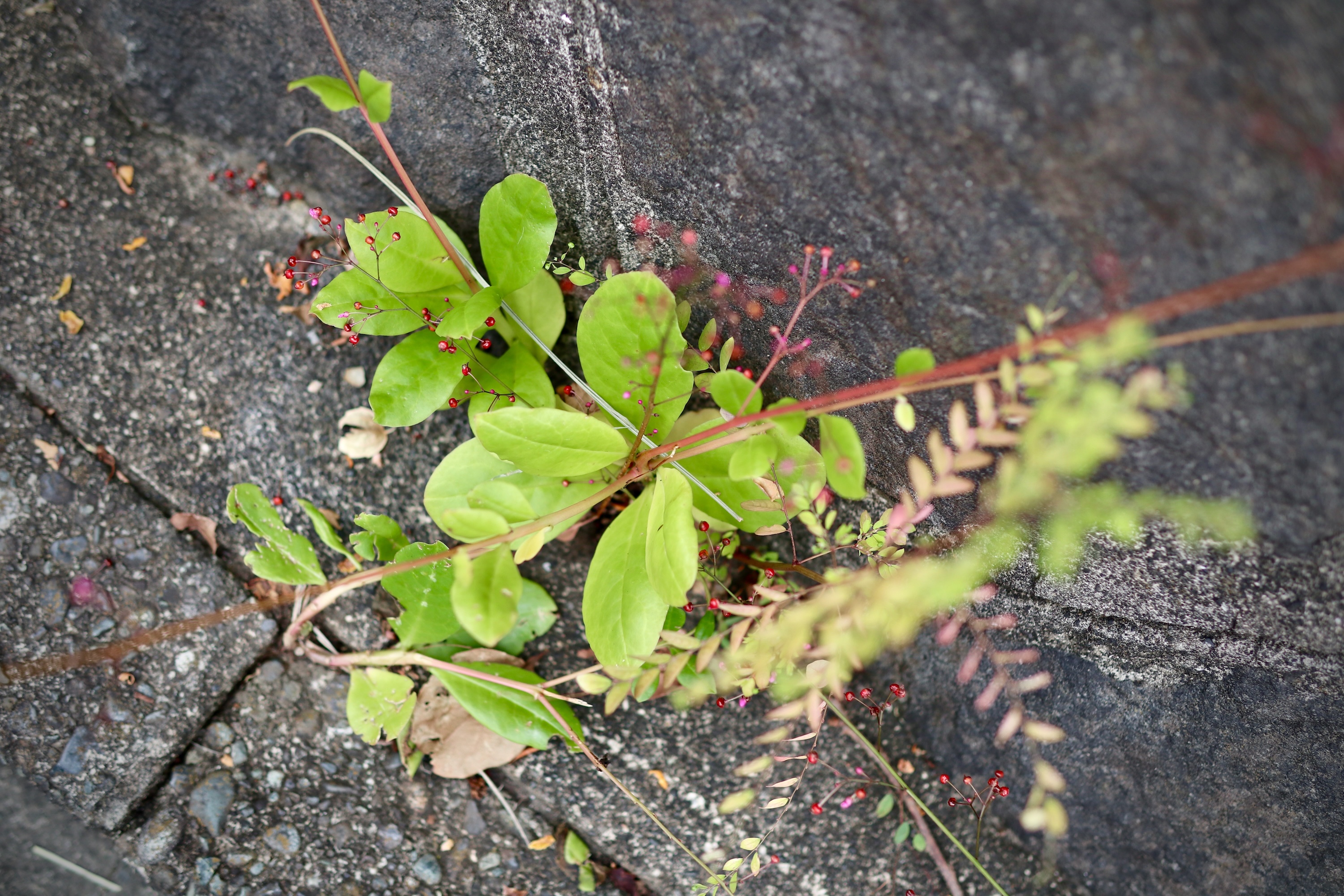
In stark contrast with old and weak concrete blocks covering the ground, a wild grass was looked fresh and strong.
I have been thinking a way of expressing contrast in terms photography but it’s not the time to get strong contrast in autumn, especially on cloudy day. In recent two years, I used to take smaller camera for walking because it’s more easy to carry and good to find unexpected things. A picture on top was taken by it with an intention showing contrast between soft and sharp, old and fresh, instead of photographical contrast.
More often, more opportunities. That is what I learnt.
I was traveling at north of Japan just for refreshing and recharging last week. It was a kind of late summer vacation. When I go somewhere far from my town, usually a camera and some lenses are necessary things for me but I didn’t take them except small one. The travel was not for sightseeing but for spending relaxing time with my partner in a historical city with thinking of its prosperity. Honestly saying, a blue sky was rather recharging than abandoned railways, and exactly saying, a food festival made me relaxing.
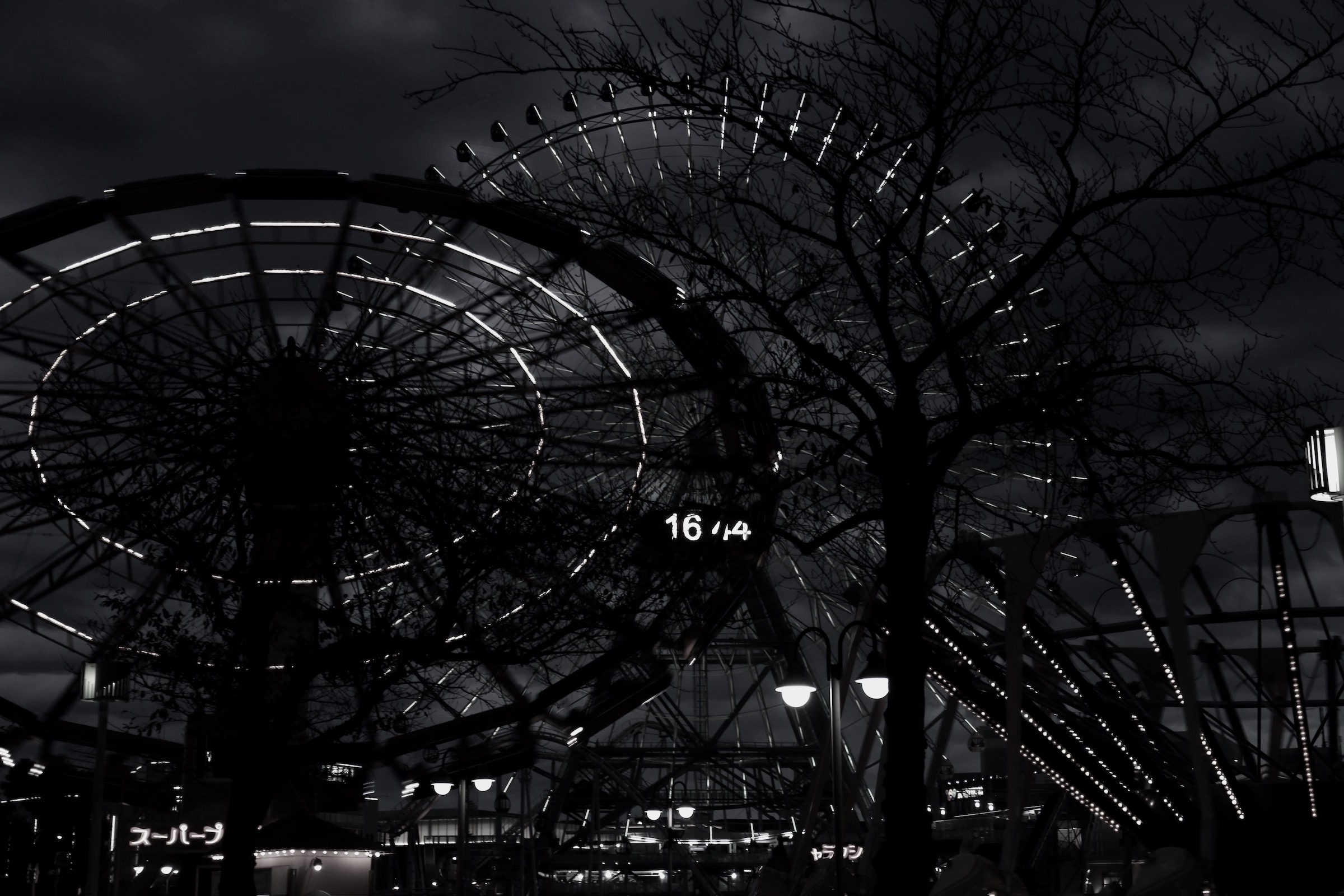
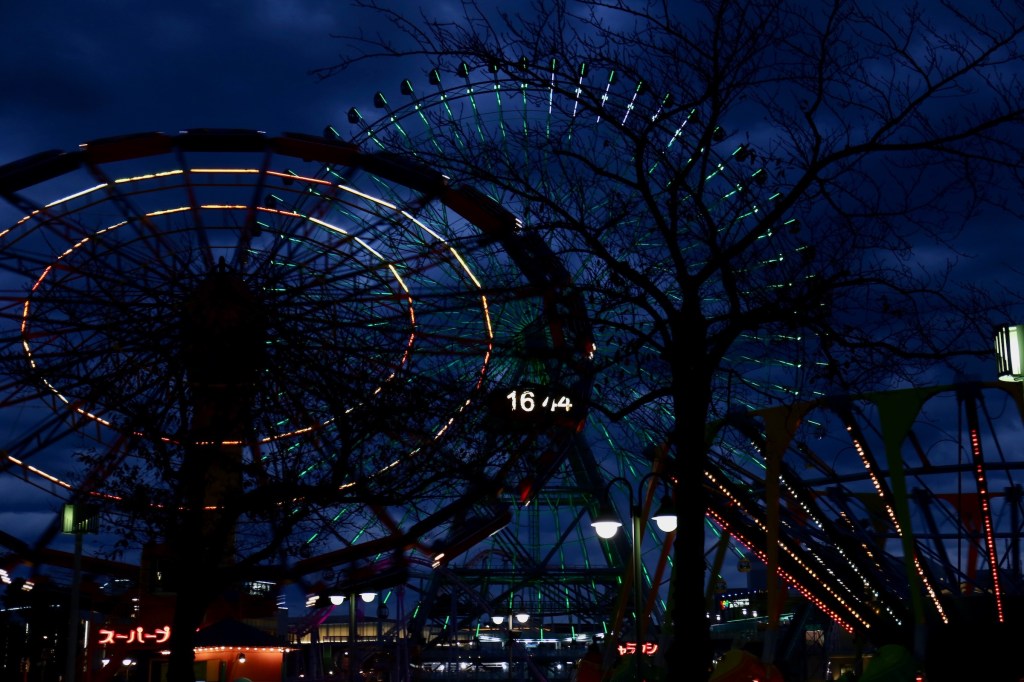
Monochrome photo should have various brightness intensities evenly so that it can be a clearer image without any colors. In some cases, different colors may have similar brightness intensities, and then red petals might be hidden by green leaves. However sometimes it makes me want to take monochrome pictures with poor condition just because it is simply interesting. Needless to say, it may create a lot of weird or odd pictures but that’s okay. Like it or not, digital cameras usually create full-color images and all I need to do is to convert images into monochrome when I need them.
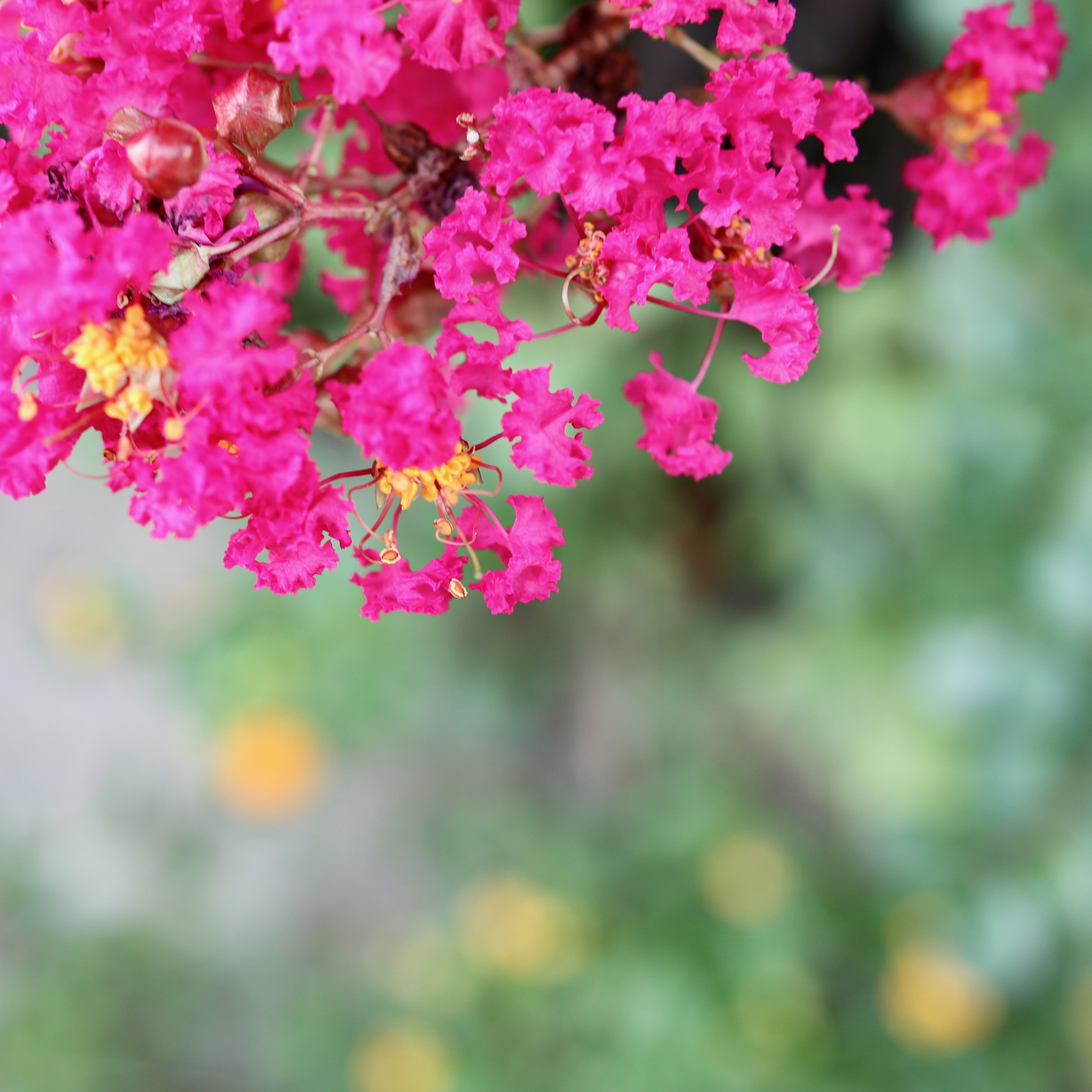
When we live abroad or somewhere having different culture, you may face communication issue. Perhaps you may not sure if a fish you see in a market is what you like. It’s very similar to what you know in your hometown but it may have very different name. You may check it on your dictionary and find that it is surly same as what you want. In case of colour, usually it should be simple like red, yellow, blue etc. However, not always. You are now at Shibuya, a very famous and crowded crossing in Tokyo, and you hear someone says “Oh, the signal is blue. Let’s go!” Wait, wait, wait. What? Blue? What does it mean? Sometimes blue means green, and green may be black in Japanese. Don’t worry. When you understand what they are talking about, it means you have already understood a part of culture. You would understand they were talking about ‘Green’ signal. When I moved to France in the past, I was surprised that my colleagues sometimes said ‘Fuchsia’ in their presentation. It was not a new word for me but it was usually ‘Magenta’ for me and ‘Pink’ for some of Japanese. Fuchsia was a vey specific word indicating a colour of flowers. Still I got lost sometimes in English conversation when I heard the word Fuchsia. OK, you may say the colour above picture is not magenta or it is not a part of primary colours. Yes and no. At least it is not an issue for me because I’m always confusing.
One of ideas to escape to a far away place from a daily life is to imagine with a help of histories. It’s a bit early for me to go for vacation this year, I decided to go to a historical place just for walking down an ancient path. Fortunately, it was not so far from my house in terms of spatial distance but was far from the present day in terms of temporal distance.
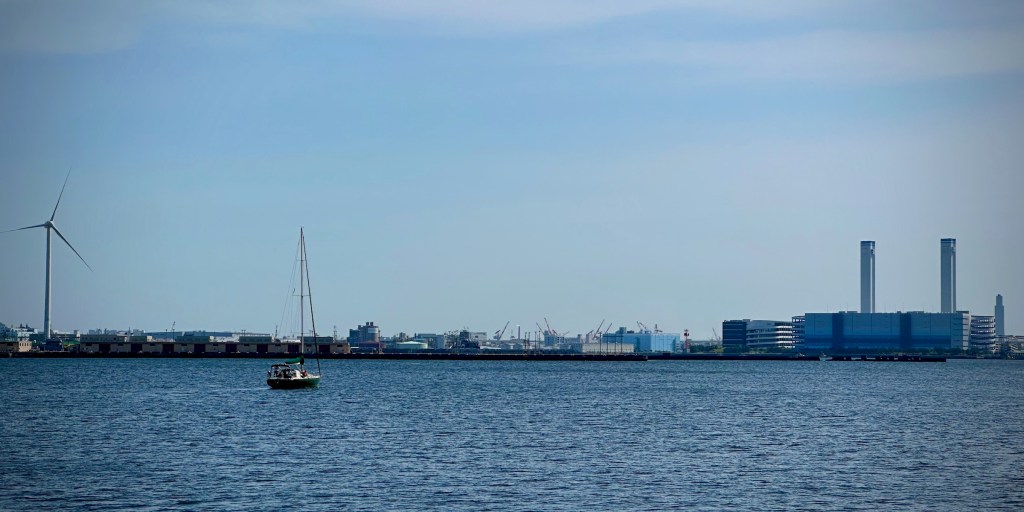
Another idea is to visit a port nearby to see boats, especially ocean liners. Fortunately Yokohama bay is not so far and I visit there frequently as a part of daily life.
However, needless to say, the best way to break the routine should be visiting a new place where you have never imagine. The last one was taken at 2000km south from my town in spring break time. Still I was in Japan but everything was more or less different. As you see, palm trees grow wild, as you may imagine, strange sounds from nature are there.





 l'atelier tanu | tagnoue