
(English text at bottom)
何はともあれお断りしておかなければならないのは、私自身がトリスケルあるいはトリスケリオンの研究者でもなければ何かしらの知見があるわけでもないということである。それどころか、トリスケリオンがそもそも何かということの何らかの確定的研究成果が世の中にはないらしい。つまりは、ここに書かれていることを鵜呑みにしない方が良い。
分かったようなことを言うなら、トリスケリオンは日本語で三脚巴紋と言う。三脚と言う意味は、膝の少し曲がった片方の人間の足を横から見たもの3本が、足の付け根を中心に120度で繋がった巴紋様という意味であり、同時に渦巻きが3つ繋がったものの場合でもある。そもそもこの説明が意味不明なのは理解している。脚と渦巻きは全然違うではないか。
「あんた分かって書いているのか」
とお叱りを受けそうである。ただ、その足の形の紋様はヨーロッパ中にあって、ある意味トリスケリオンの典型的な紋様であるし、脚の代わりに角笛だったりすることもある。これが、アイルランドやフランス・ブルターニュ地方のケルト系の場合には渦巻きとなる。
この渦巻き方は、ヨーロッパどころか世界中にあって、たとえば日本にあるものは左三巴紋などと呼ばれている。だから
「だからそれは何なんだ?」
という事であれば、Wikiあたりを読んでいただく方が良い。
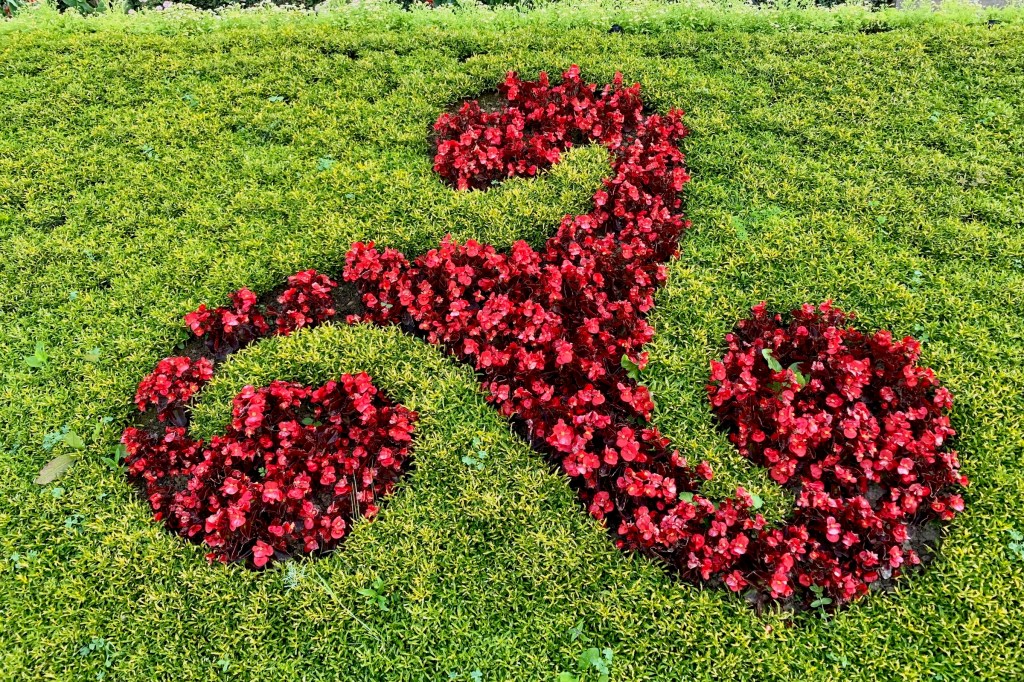
トップの写真は、ブルターニュの公園に作られた花壇の一部である。ベゴニアがトリスケリオンの形で植えられている。トリスケリオンはブルターニュ半島のシンボルであり、様々な場所に使われるありふれた紋様なのである。
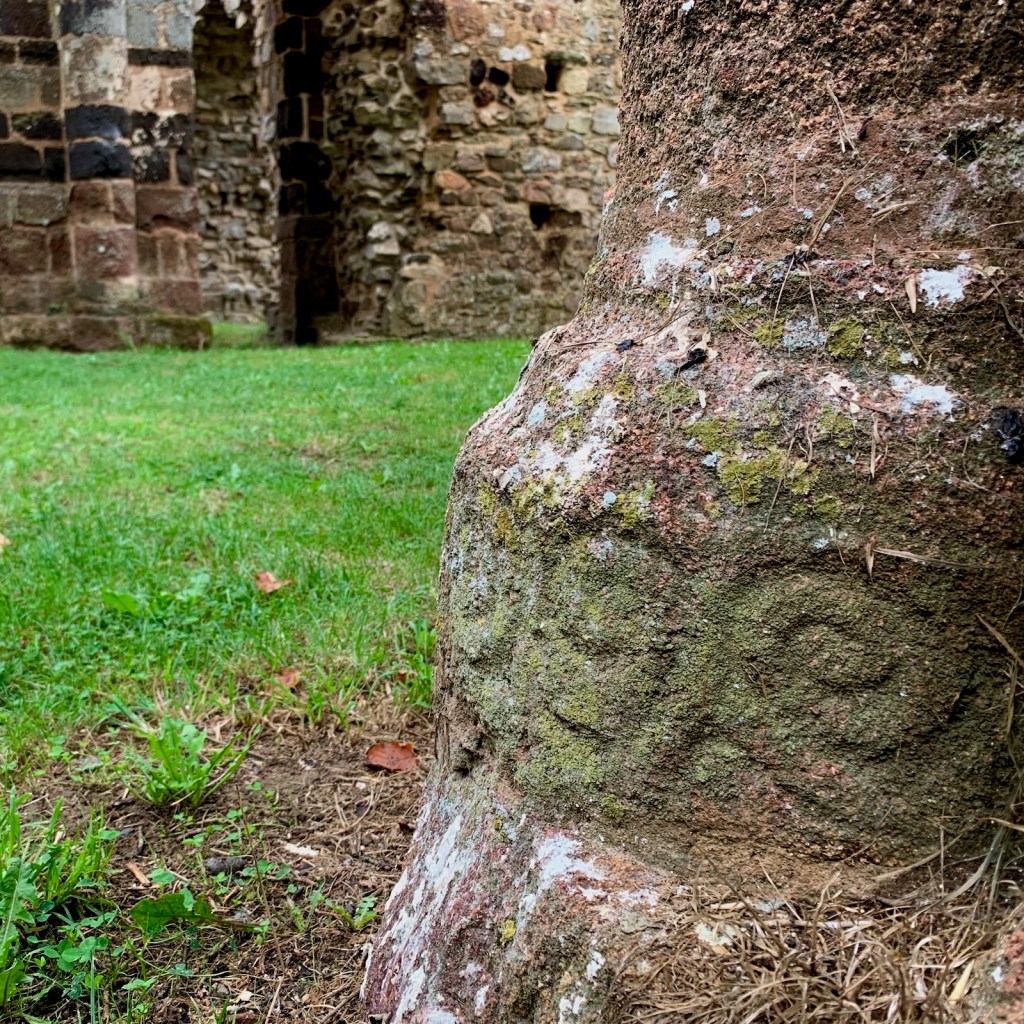
一番下の写真は、ノートルダム修道院(浅間神社と同じで至る所にある)の史跡のひとつで撮ったものだが、トリスケリオンの痕跡が残っている。12世紀と15世紀の部分が残っているらしいが、この紋様の部分がどちらなのかは分からない。
First of all, I must state that I am not a researcher of the Triskel or Triskelion, nor do I have any knowledge of them. In fact, it seems that there is no definitive research result on what the Triskelion is. In other words, it is better not to take what is written here at face value.
If I were to say something that sounds simple, the Triskelion is called a “三脚巴紋” in Japanese. The meaning of the Triskelion is that three legs(三脚) of a human with a slightly bent knee are seen from the side, and are connected at 120 degrees around the base of the leg, forming a Tomoe(巴) pattern(紋), and it can also mean three spirals connected together. I understand that this explanation is unclear to begin with. Aren’t legs and spirals completely different?
I’m sure I’ll be scolded. However, the pattern in the shape of a foot is found all over Europe, and in a sense it is a typical Triskelion pattern, and sometimes there are horns instead of legs. This forms a spiral in the case of the Celtic peoples of Ireland and Brittany, France.
This spiral pattern is found not only in Europe but all over the world; for example, the one in Japan is called the “左三巴紋”. So, if you’re wondering “so what is that?”, it’s best to read up on Wiki. The top photo is part of a flower bed in a park in Brittany. Begonias are planted in the shape of a triskelion. The triskelion is the symbol of the Brittany peninsula and is a common pattern used in many places. The photo below was taken at one of the historical sites of Notre Dame Abbey, and traces of the triskelion remain. There are apparently parts from the 12th and 15th centuries remaining, but it is not clear which part this pattern belongs to.
 l'atelier tanu | tagnoue